

Smart online shopping comes down to protecting yourself first and getting maximum value second. You read reviews from real buyers, compare prices across retailers, double-check size charts against your measurements, and always confirm the return policy before clicking “buy.” These habits take an extra three to five minutes per purchase but save petite shoppers like us from the classic pitfalls: items that don’t fit, colors that look nothing like the screen, and “final sale” regrets.
I learned this the hard way after ordering a “petite” blazer that turned out to be regular-length with shortened sleeves. No returns allowed. That $68 mistake taught me to treat online shopping like a mini research project, not an impulse click.
The numbers back this up. Research shows that over 30% of online purchases get returned, often because shoppers skip basic verification steps. For petite women especially, where fit is already challenging in standard sizing, those few minutes of homework make the difference between a wardrobe win and a closet full of almost-right pieces.
The ten habits in this guide focus on what actually moves the needle: reading ingredient lists for beauty products, screenshotting measurements, spotting fake reviews, and timing purchases around sales cycles. You’ll shop with more confidence, waste less money on returns, and build a collection of pieces that genuinely work for your body and budget.
How I Chose These Shopping Habits
I’ll be honest: my online shopping habits used to be a mess. I’d impulse-buy cute tops that looked nothing like their photos, order beauty products without checking ingredients (hello, breakouts), and end up with a closet full of returns. As a petite woman standing 5’2″, the fit issues were constant, and my budget took a hit from shipping fees and restocking charges.
So I started studying what actually worked. I tracked my successful purchases versus my returns, read consumer psychology research on impulse buying, and paid attention to which habits saved me the most money and frustration. I also learned from doing deep dives like my cosmetics review posts, where I had to evaluate products systematically.
The ten habits in this list are the ones that consistently delivered three things: fewer returns, better value, and genuine confidence in what I bought. They’re especially powerful if you’re navigating petite sizing challenges or shopping on a budget. These aren’t random tips. They’re battle-tested strategies that transformed my online shopping from stressful guesswork into something I actually enjoy.
1. Check the Size Chart Every Single Time
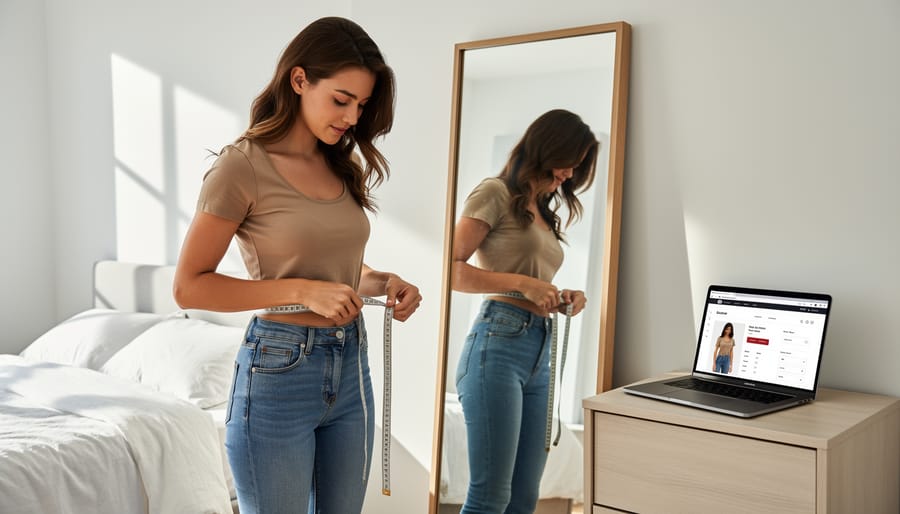
I learned this lesson the hard way when a “small” dress arrived so oversized I could’ve used it as a tent. Size charts aren’t suggestions, they’re your roadmap to avoiding disappointment and returns, especially when you’re petite and shopping across different brands that all define “small” differently.
Here’s the thing: vanity sizing is real, and it’s wildly inconsistent. One brand’s size 2 might fit like another’s size 6. That’s why I measure myself every few months (our bodies change!) and keep those numbers saved on my phone. You’ll need your bust, waist, hip, and inseam measurements at minimum. For tops and dresses, add shoulder width and sleeve length if you’re petite, regular-length sleeves can swallow smaller frames.
Once you have your measurements, pull up the brand’s size chart, not just the general “S/M/L” guide, but the numerical measurements listed for each size. Compare your numbers directly. If your measurements fall between two sizes, I always size up for comfort, especially in non-stretch fabrics.
I recently ordered jeans using this exact method and noticed the brand’s “petite small” waist measurement was actually an inch smaller than my usual size. I went up one size, and they fit perfectly without any gapping or return hassle. That five-minute chart check saved me shipping costs and weeks of waiting for an exchange.
2. Read Reviews from Shoppers with Similar Body Types
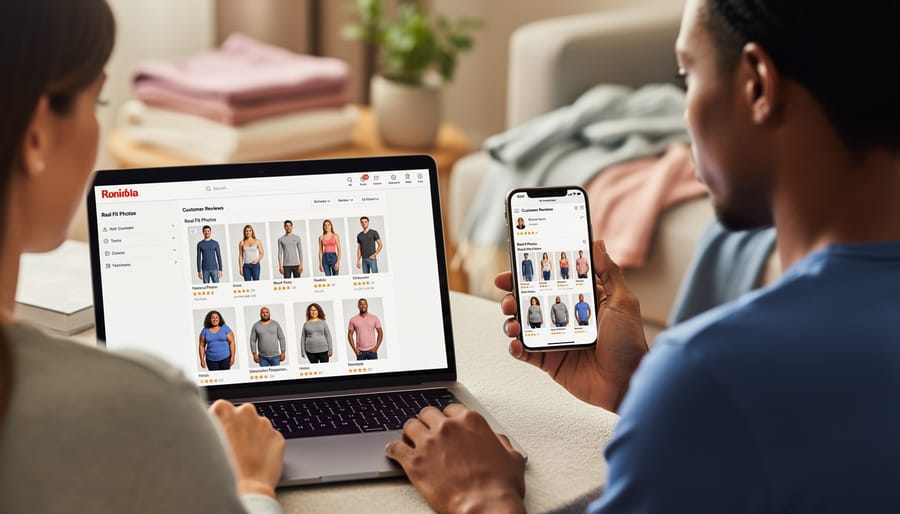
When I’m scrolling through reviews, I’ve learned to treat them like a treasure hunt. I don’t just skim the star rating, I search for specific words that matter to my petite frame. On most retail sites, you can use the search function within reviews to hunt for terms like “petite,” “short,” “5’2,” or “cropped.” This immediately filters out generic feedback and gets me to the shoppers who actually share my fit challenges.
Customer photos are absolute gold. Professional product shots show a 5’9 model in perfect lighting, which tells me nothing about how those jeans will bunch at my ankles or how that dress will hit mid-thigh instead of knee-length. Real shoppers posting mirror selfies with their height and size listed? That’s the information I need to make a confident choice.
I look for reviewers who mention specific measurements, not just vague compliments. “The inseam is 26 inches” beats “cute pants!” every time. Honest reviews also flag issues like stiff fabric, weird proportions, or colors that photograph differently than they appear in person. When someone my height says “finally, sleeves that don’t need hemming,” I’m adding that item straight to my cart.
3. Compare Prices Across Multiple Sites
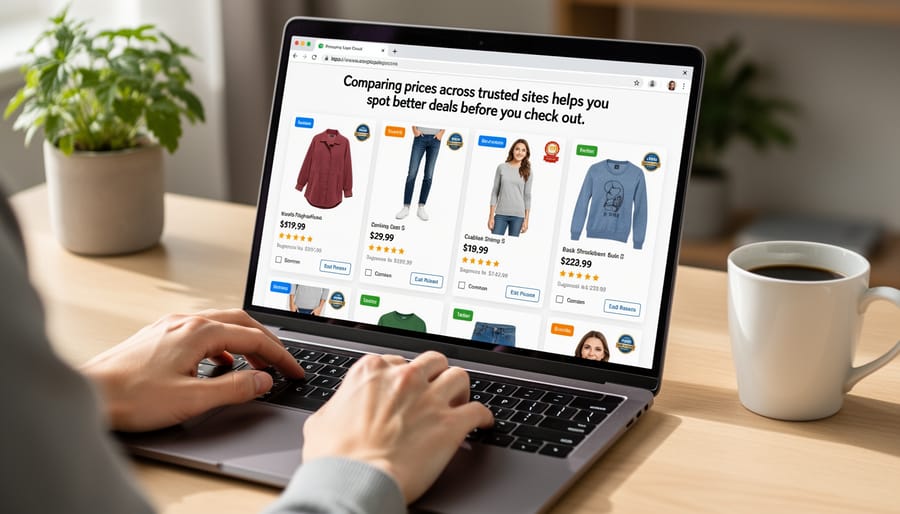
I learned this habit the expensive way: I once bought a vitamin C serum at full price, only to find it 30% cheaper on another site two days later. Now, comparing prices across multiple retailers is automatic before I check out.
Start by searching the exact product name on Google Shopping or a price-comparison site like ShopSavvy or Honey. For beauty staples, whether it’s a foundation I’ve repurchased three times or a new serum everyone says is worth the hype I check the brand’s official site, Amazon, Ulta, Sephora, and smaller beauty retailers. The same bottle can vary by $10 to $20 depending where you shop.
Browser extensions like Honey, Capital One Shopping, or CamelCamelCamel (great for Amazon price history) run in the background and alert you to better deals or apply coupon codes automatically. I’ve saved on everything from collagen supplements to petite jeans this way.
This habit works especially well for replenishable items: once you know your holy-grail moisturizer or favorite black leggings, you can wait for the best price instead of paying whatever one site charges. It takes two extra minutes and protects your budget without sacrificing what you actually want.
4. Screenshot Product Details and Descriptions
I learned this habit the hard way after ordering a beautiful blush-toned cardigan that arrived looking nothing like the photos. When I went to return it, the product page had changed, the original description and color options had been updated, and I had zero proof of what I’d actually purchased. Now I screenshot everything before checkout.
Taking a quick photo of the product page protects you in ways you might not expect. If an item arrives damaged or wrong, that screenshot proves what you ordered. When prices drop within a return window, some retailers will refund the difference, but only if you can show the original price. For beauty products with specific shade names or ingredient lists, having that record helps you reorder the exact match later.
I keep a folder on my phone labeled “Online Orders” and drop screenshots there immediately after purchasing. It takes five seconds and has saved me hundreds of dollars in disputed returns and price adjustments. You can also email the screenshots to yourself if you prefer desktop organization. The key is making it automatic, screenshot the main photo, description, size selection, and price before you close that browser tab.
5. Understand the Return Policy Before You Click ‘Buy’
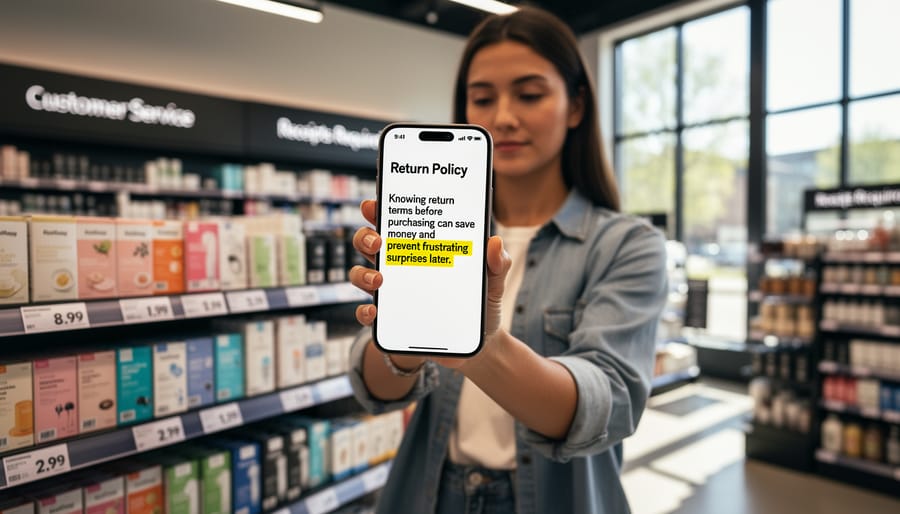
I learned this lesson the hard way when a pair of workout leggings that looked perfect online turned out to be completely see-through, and the brand charged a $10 restocking fee plus return shipping. Now I treat return policies like a checklist before deciding what to buy and it’s saved me both money and frustration.
Before you finalize any purchase, look for these details in the return policy:
- Return window: how many days you have from delivery to send items back
- Restocking fees: whether the brand deducts a percentage from your refund
- Return shipping costs: if you pay to send items back or if the seller provides a prepaid label
- Final sale restrictions: which items can’t be returned at all
- Refund method: whether you get money back or only store credit
This habit matters even more for beauty products and fitness gear. Many skincare brands won’t accept returns once a seal is broken, and some activewear companies only offer exchanges rather than refunds. Watch for vague language like “returns subject to inspection” without clear criteria, or policies buried in tiny footer text instead of stated clearly on product pages. If a site makes it hard to find their return terms, that’s your signal to shop elsewhere.
6. Use Wish Lists to Test Your Real Interest

I’ve learned the hard way that my cart can be a graveyard of “ooh, shiny!” impulse clicks. Now I treat my wishlist like a cooling-off zone. When I spot a cute cardigan or a promising serum, I save it and walk away for at least 48 hours. This simple pause reveals what I genuinely want versus what caught my eye in a scroll-induced haze.
Research backs this up: delayed gratification activates the rational parts of your brain, letting excitement fade so you can assess whether an item truly fits your wardrobe, solves a problem, or duplicates something you already own. I’ve returned to wishlists days later and thought, “What was I thinking?” just as often as I’ve confidently purchased because the item still felt essential.
This habit is especially powerful for budget-friendly petite style finds and wellness products where trends move fast but your needs stay consistent. The 48-hour rule turns your wishlist into a personal shopper that helps you buy smarter, not more.
7. Look for Ingredient Lists on Beauty and Nutrition Products
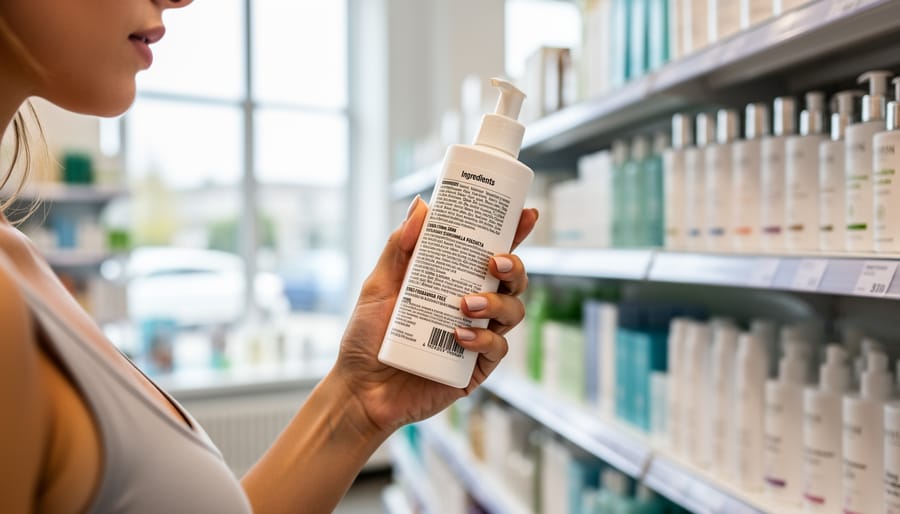
I’ll be honest, I used to click “add to cart” on skincare and supplements based on pretty packaging and good reviews alone. Then I had a reaction to a “gentle” face serum that buried fragrance halfway down the ingredient list. Now, I zoom in on those tiny ingredient labels every single time, and it’s changed everything about how confident I feel in my purchases.
For beauty products, the first five ingredients make up the bulk of the formula. If you’re avoiding specific irritants like fragrance, essential oils, or denatured alcohol, scan that top section carefully. Many brands hide these under different names, “parfum” instead of fragrance, or botanical extracts that can still trigger sensitivity. I look for recognizable actives early in the list when I want something effective, not just filler.
With nutrition products like protein powders or supplements, ingredients matter even more. Check for allergens if you’re sensitive to dairy, soy, or gluten. Watch for vague terms like “natural flavors” or excessive fillers, maltodextrin, silicon dioxide, that pad out the formula without adding value. Quality markers include third-party testing seals, transparent sourcing, and straightforward ingredient names you can actually pronounce.
This habit takes an extra minute, but it puts you in control. You’re not guessing whether something will work for your body, you know exactly what you’re bringing home.
8. Check for Petite or Short-Length Options
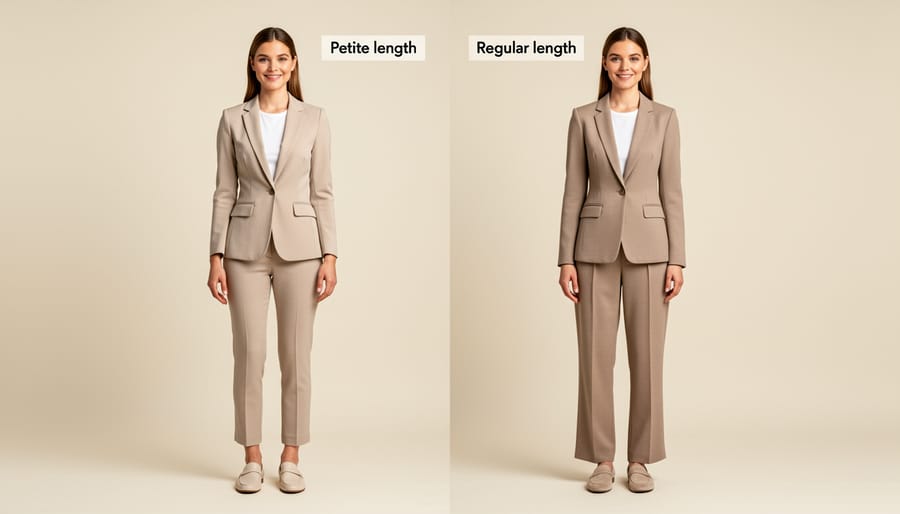
When I first started shopping online, I learned the hard way that “small” doesn’t automatically mean petite-friendly. Regular small sizes often had sleeves that covered my hands and hems that pooled at my feet. Now, filtering for petite or short-length options is one of my first steps, and it’s changed everything.
Most online retailers let you filter by petite sizing right on their main navigation or in the product search filters. Look for inseam measurements on pants (27-28 inches works beautifully for many petite shoppers), cropped styles that actually hit at the ankle instead of mid-calf, and brands that design specifically for shorter frames. ASOS, Nordstrom, and Gap consistently offer dedicated petite lines with adjusted proportions, not just shortened hems.
This habit saves serious money on tailoring. Instead of spending $20 to hem each pair of jeans, you’re buying pieces that fit right out of the box. It also boosts your confidence because clothes that fit properly look more polished and feel more comfortable. The same goes for beauty and wellness purchases, just like finding the right places to buy skincare that works for your specific needs, finding clothing designed for your body type means you’re shopping with intention, not hoping for the best.
9. Verify Secure Payment and Privacy Features
I always feel a little rush of relief when I see that padlock icon in my browser’s address bar, it’s like a tiny security guard telling me my payment details are safe. That symbol means the site uses HTTPS encryption, which scrambles your credit card number and personal information so hackers can’t intercept it. Before entering any payment info, I glance at the URL to confirm it starts with “https://” (not just “http://”) and look for that locked padlock. It’s a two-second check that’s become automatic for me.
Equally important is recognizing trusted payment gateways. When I reach checkout, I look for familiar names like PayPal, Stripe, Apple Pay, or Google Pay, these third-party processors keep your card details away from the retailer’s servers entirely. If a site only accepts obscure payment methods or asks you to wire money, that’s an immediate red flag. I’ve learned to trust my gut: if a checkout page looks off or asks for unnecessary information like your social security number, close that tab.
Building this habit isn’t just about protecting your wallet in the moment. It’s about creating long-term confidence in your online shopping routine. When you know what secure checkout looks like, you stop second-guessing every purchase and start enjoying the convenience of finding petite-friendly pieces and budget-friendly beauty products without that nagging worry. That peace of mind is worth the extra five seconds of verification every single time.
10. Sign Up for Restock Alerts on Your Favorites
I learned this habit the hard way after missing out on a beloved nude lipstick shade three times in a row. Now I immediately sign up for restock alerts whenever I find something I love that’s out of stock in my size or shade.
Most retailers offer a simple “notify me” button on product pages. Enter your email, and you’ll get a message the moment your item’s back, often before it’s promoted on social media or newsletters, giving you first dibs. I’ve scored sold-out petite jeans and limited-edition skincare this way without paying inflated resale prices or settling for my second choice.
This habit works especially well for seasonal favorites. That summer dress that fits perfectly? Sign up for alerts in fall when it goes on sale but sells out quickly in petite sizes. When it restocks for spring, you’ll know immediately and can grab it at a reasonable price instead of hunting secondhand sites where sellers mark it up 50%.
The key is creating a dedicated folder for these alerts so they don’t clutter your inbox. Check it weekly, and you’ll never miss your must-haves again.
Your Online Shopping Confidence Starts Here
Online shopping doesn’t have to feel overwhelming or risky. When you build these ten intentional habits into your routine, every purchase becomes an opportunity to support your style, your budget, and your confidence. You’re not just clicking ‘buy’, you’re making informed choices that respect your petite body, your unique needs, and your hard-earned money.
I’ve watched my own relationship with online shopping shift completely since I started practicing these habits. Fewer returns mean less frustration and more money staying in my wallet. Better fits mean clothes I actually wear instead of items gathering dust in my closet. Thoughtful purchases mean products that genuinely work for my skin, my lifestyle, and my frame.
You deserve to feel excited when a package arrives, not anxious about whether it’ll fit or work. These small, consistent actions add up to something bigger: a shopping experience that feels supportive rather than stressful, empowering rather than exhausting. Start with one or two habits that resonate most, then build from there. Your future self will thank you.
Frequently Asked Questions
How can I tell if an online store is safe to shop from?
Look for HTTPS in the URL (the padlock icon in your browser), check for recognizable payment gateways like PayPal or Stripe, and read recent customer reviews on independent sites. If a store’s prices seem suspiciously low or the website looks hastily thrown together, trust your gut and shop elsewhere.
What’s the best way to find petite sizes when shopping online?
Use the site’s filter options to select petite or short sizing, and look for brands known for offering petite-friendly fits. Reading reviews from other petite shoppers and checking inseam measurements in the size chart will save you from ordering pieces that won’t work for your frame.
How do I stop myself from impulse buying online?
Add items to your wishlist or cart and wait at least 48 hours before completing the purchase. This cooling-off period helps you separate genuine needs from fleeting wants, and you’ll often find that half the items don’t feel as essential two days later.
Can I trust product photos and descriptions from online retailers?
Professional photos are styled to look perfect, so scroll down to customer reviews with real-life photos for a more accurate picture. Screenshots of product descriptions also protect you if details change or if you need to reference what was promised during a return.
These questions come up all the time in my inbox, and honestly, they’re the same ones I asked myself when I first started shopping online regularly. The answers might seem simple, but putting them into practice consistently has transformed how confident I feel clicking that checkout button. You’re building skills that’ll serve you for years, one smart decision at a time.