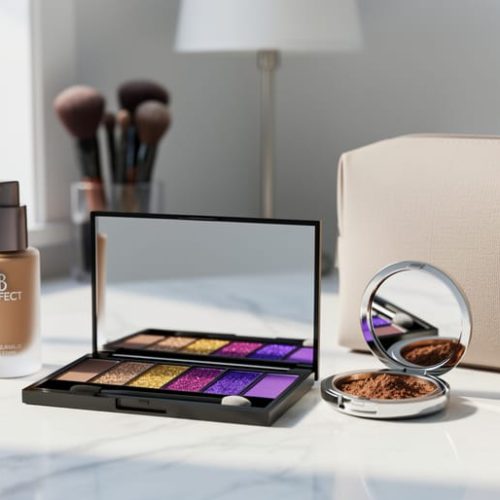

Shopping for cosmetics in Canada means navigating a market split between international brands with limited local access and homegrown favorites with strong retail networks. Your best approach in 2026 combines savvy cross-border online ordering (watching for duty and shipping costs) with strategic use of Canadian retailers like Sephora, Shoppers Drug Mart, and specialty boutiques that stock both global cult favorites and domestic lines.
The Canadian beauty landscape has matured considerably. While American and Korean beauty brands sometimes treat Canada as an afterthought, leaving us with delayed launches or unavailable shades, the flip side is a growing ecosystem of domestic retailers offering competitive loyalty programs and hassle-free returns. I’ve learned this the hard way after paying inflated shipping fees and surprise customs charges on what seemed like bargain purchases from U.S. sites.
Whether you’re hunting for a specific trending brand or building out your entire routine, the key is understanding which purchase channel makes financial sense for each product type. A $15 mascara shipped from the U.S. can balloon to $35 after conversion, shipping, and duties. That same product might sit on a Shoppers shelf at $22 CAD, earning you points toward future purchases.
This guide breaks down the real costs and trade-offs across online direct brands, major Canadian beauty retailers, and cross-border shopping. You’ll get concrete recommendations by product category, learn which retailers excel at what (spoiler: Sephora for prestige skincare, Shoppers for drugstore staples with rewards, specialty sites for K-beauty), and discover the most common purchasing mistakes that drain your beauty budget. The goal is simple: help you buy smarter, avoid unnecessary fees, and actually receive the products you want without customs headaches or shade-match disasters.
Key Buying Factors for Cosmetics in Canada

Understanding Canadian Pricing and Currency
Shopping cosmetics from US brands like Em Cosmetics means doing math before checkout. That $24 lip tint becomes roughly $33 CAD before you factor in shipping, and the currency converter on your credit card statement won’t match the rate you saw when browsing. I learned this the hard way when a “great deal” turned into a budget surprise.
Start by checking if prices are listed in USD or CAD. Many US-based brands default to American dollars, so a $38 setting powder costs around $52 CAD at current exchange rates. Next, calculate shipping. Free shipping thresholds like Em Cosmetics’ $50+ minimum apply to USD totals, meaning you need to spend about $69 CAD to qualify.
The real kicker comes at the border. Orders over $20 CAD may trigger customs fees, duties, and handling charges from the courier. A $30 purchase can suddenly cost $45 after brokerage fees. Before buying, use the CBSA calculator to estimate duty and taxes based on your order value. Some retailers include these costs upfront, while others leave you guessing until delivery.
Track exchange rates if you’re planning a larger order. Waiting a week when the dollar strengthens can save you real money on that wishlist haul.
Navigating Availability and Authorized Retailers
Finding legitimate Canadian sources for cosmetics requires more detective work than shopping from established retailers. Start by checking a brand’s official website for their “Where to Buy” or “Stockists” page, this tells you which retailers they’ve authorized to sell their products in Canada. Major beauty retailers like Sephora Canada and Shoppers Drug Mart maintain strict authentication standards, making them safer bets than unfamiliar online sellers.
When a brand you want doesn’t list Canadian stockists, look for clues about legitimacy. Check if the seller provides a physical Canadian address, clear return policies, and responsive customer service. Be wary of prices significantly below retail, authentic cosmetics cost what they cost, and steep discounts often signal counterfeits or expired stock. I’ve learned to screenshot product listings and compare packaging details against the brand’s official images, since counterfeiters often miss small design elements.
Social media can help verify newer or smaller retailers. Search the retailer’s name on Instagram or TikTok to see if real customers are posting unboxing videos and reviews. Legitimate businesses usually have an active, engaged community. When in doubt, contact the brand directly through their official channels to confirm whether a retailer is authorized, most brands respond quickly because protecting their reputation matters.
Climate-Appropriate Formulations
I learned this lesson the hard way during my first Saskatchewan winter after moving from Vancouver. I’d packed my favourite cream blush and liquid highlighter, only to watch them separate and pill on my face within minutes of stepping outside. The culprit? I hadn’t considered how Canada’s extreme temperature swings and bone-dry indoor heating would interact with my makeup.
Canadian weather demands formulations that can handle serious climate stress. Winter means fighting flakiness from forced-air heat that strips moisture from your skin, while summer humidity in cities like Toronto or Montreal can turn the wrong foundation into a slippery mess by noon. I’ve had the best luck with products that offer barrier protection and flexible staying power. Powder formulations like setting powders work year-round because they adapt to your skin’s moisture level rather than fighting against it. For base products, I now choose formulas with humectants for winter and mattifying ingredients for summer, switching my routine seasonally just like my wardrobe.
The climate consideration extends beyond face products, too. I switched to sulfate-free hair care after noticing how harsh cleansers combined with dry winter air left my hair brittle and static-prone. Your lips also need extra attention in cold weather, so I prioritize tinted balms and hydrating lip products with nourishing oils over long-wear liquid lipsticks that can emphasize chapping. Test products during shoulder seasons if possible, if a formula works in unpredictable March or October weather, it’ll likely serve you well year-round.

Types of Cosmetics Retailers in Canada

Canadian Beauty Retailers
Canadian beauty retailers offer the most straightforward shopping experience for cosmetics buyers here. Sephora Canada and Shoppers Drug Mart lead the pack with extensive physical store networks and robust online platforms where everything’s priced in Canadian dollars, no surprise conversion fees at checkout. I’ve found their return policies remarkably generous; walk into any location with your receipt, and exchanges happen without the cross-border headaches that plague international orders.
Shoppers Drug Mart deserves special mention for their loyalty program, which stacks points on already competitive pricing. Their beauty boutiques stock prestige brands alongside drugstore options, making them ideal for building a complete routine. When you buy skincare online through these established retailers, you’re also getting Canadian-compliant formulations that meet Health Canada standards right out of the gate. Sephora’s same-day delivery in major cities has saved me more than once when I’ve run out of essentials, and their Beauty Insider program offers early access to launches that might otherwise require waiting for international shipments.
International Brands Shipping to Canada
International brands that don’t have dedicated Canadian storefronts can still be accessible to Canadian shoppers, but the experience differs from buying locally. Brands like Em Cosmetics operate primarily through US-based websites, which means you’ll navigate currency conversion, international shipping fees, and potential customs charges that aren’t immediately obvious at checkout.
When shopping from US cosmetics brands, expect to see prices in USD. Em Cosmetics offers free US shipping on orders $50+, but Canadian shipping terms typically aren’t advertised as prominently, you’ll often need to proceed to checkout to discover the actual shipping cost to your province. Many international brands charge flat-rate international shipping ranging from $15-$30 USD, which can significantly increase your total cost when converted to CAD.
Currency conversion happens either through your credit card company or the brand’s payment processor, adding roughly 30-40% to the sticker price depending on current exchange rates. A $24 USD lip product becomes approximately $32-34 CAD before shipping, and that’s before any potential duties.
Customs and duty fees represent the wildcard in international cosmetics shopping. Orders under $150 CAD typically avoid duty fees, but you might still pay GST/HST and provincial sales taxes. Shipping carriers sometimes add brokerage fees for processing your package through customs, which can range from $10-$25 depending on the courier.
Before finalizing purchases from international brands, calculate your true landed cost: product price in CAD plus shipping plus estimated taxes. This helps you decide whether the brand’s unique offerings justify the premium over Canadian alternatives, or whether you’d prefer the transparency of domestic pricing.
Canadian Indie and Local Brands
Canadian indie and local brands offer straightforward advantages that simplify your shopping experience. When you buy from a Canadian indie brand you see prices in CAD upfront, no mental math or surprise conversions at checkout. Shipping is typically faster and cheaper since products don’t cross the border, and many domestic companies offer free shipping at lower thresholds than international brands. You also skip customs fees and duty charges entirely.
Beyond convenience, Canadian brands often formulate products with our climate in mind. They understand the challenge of dry winter skin from indoor heating and the need for long-wearing formulas during humid summers. Return policies are simpler too, since you’re dealing with domestic customer service and shipping. Supporting local companies means contributing to the Canadian beauty industry while getting products designed for conditions you actually face. The transparency in pricing and logistics makes budgeting easier and eliminates the guesswork that comes with cross-border cosmetics shopping.
Product Recommendations for Canadian Shoppers
Eye Products Worth Considering
When shopping for eye products in Canada’s harsh climate, look for formulas that won’t irritate or dry out the delicate eye area. I learned this the hard way after struggling with flaky eyelids during my first Manitoba winter, hydration matters as much as pigmentation.
For everyday eye makeup, choose cream-based eyeshadows over powder formulas during winter months. They blend more smoothly on dry lids and won’t emphasize texture. If you prefer powder shadows, prep with a hydrating eye primer first. Canadian retailers like Sephora Canada and Shoppers Drug Mart carry extensive ranges from brands like Urban Decay and MAC, making returns straightforward if a formula doesn’t work for you.
When selecting eye makeup removers, gentle oil-based options prevent the tugging that worsens winter dryness. I keep a best cleansing oil specifically for eye makeup because micellar water alone strips my skin in cold weather.
For undereye concerns, learning to properly apply concealer makes a bigger difference than the product itself. Look for hydrating formulas with light-reflecting particles rather than heavy coverage, which can settle into fine lines exacerbated by indoor heating.
Lip Products for Canadian Conditions
Canadian winters taught me that the wrong lip product can leave you with chapped, uncomfortable lips within hours. When I’m choosing lip products, I prioritize hydrating formulations that won’t accentuate dry patches or require constant reapplication throughout the day.
Em Cosmetics’ Phantom Blur Lip Tint ($24 USD) has become a staple in my rotation because it delivers colour without the drying effect I’ve experienced from many matte liquid lipsticks. The formula contains nourishing ingredients that help lips maintain moisture even when moving between heated indoor spaces and freezing outdoor air. The blur effect provides a soft-focus finish that’s more forgiving on textured lips than traditional matte formulas.
For those seeking classic looks, achieving a perfect red lip in Canadian conditions means choosing creamy, pigmented formulations over ultra-matte options that emphasize dryness. Look for lip products with ingredients like hyaluronic acid, vitamin E, or plant oils that provide a moisture barrier against harsh weather.
Other hydrating options worth considering include tinted lip balms from Canadian brands like Bite Beauty or Quo Beauty, both available at Shoppers Drug Mart with straightforward CAD pricing and no cross-border fees. Glossier’s Balm Dotcom also ships to Canada and provides a protective layer under colour products. The key is layering: a nourishing base product followed by your colour of choice ensures comfort throughout the day, whether you’re navigating downtown Toronto in January or dealing with dry Calgary chinooks.
Face Products and Setting Essentials
Setting powder ranks among the most overlooked yet crucial steps for Canadian cosmetics shoppers dealing with extreme seasonal shifts. Indoor heating in winter creates an entirely different makeup environment than summer humidity, and choosing the wrong formula means your carefully applied foundation slides off by mid-morning.
Em Cosmetics’ Sheer Portrait Mode Setting Powder ($38 USD) offers a translucent option that works across various skin tones without flashback in photos. The lightweight formula helps manage shine without the cakey buildup that happens when you’re transitioning between frigid outdoor air and overheated office buildings. I learned this the hard way during a particularly brutal February when my usual pressed powder turned patchy within an hour of arriving at work.
For Canadian shoppers comparing options, consider whether you need oil control (common in summer and heated indoor spaces) or simply a finishing veil to lock makeup in place. Loose powders generally provide lighter coverage and suit dry skin better, while pressed versions travel more easily and offer targeted touch-ups. Climate matters more than most tutorials acknowledge. If you work outdoors or commute in harsh weather, a setting powder with moisture-resistant properties prevents that melted look when you finally step inside.
Domestic retailers like Shoppers Drug Mart stock excellent Canadian alternatives at lower price points when currency conversion makes international purchases impractical. Test textures in-store when possible, since powder finishes vary dramatically between brands. The right setting powder should feel weightless and extend wear time without altering your foundation shade or emphasizing dry patches that plague many of us during heating season.
Common Mistakes to Avoid When Buying Cosmetics in Canada

The True Cost Trap
I learned this lesson the hard way with an Em Cosmetics order that seemed like a steal at $24 for their Phantom Blur Lip Tint. I saw the price, thought it was reasonable, and clicked checkout. Then came the surprises: shipping added $12, currency conversion bumped the total up another few dollars when my Canadian credit card processed the USD charge, and two weeks later, I got hit with an unexpected $15 customs fee at my door. That $24 lip tint actually cost me nearly $55 CAD.
Now I always calculate the full landed cost before buying from US brands. I add up the product price, shipping, estimate the exchange rate (usually 1.25-1.35 times the USD amount), and factor in potential duty fees for cosmetics orders over $20 CAD. For Em Cosmetics specifically, their free shipping threshold is $50 USD, so I plan larger orders to avoid that shipping charge. I also check if Canadian retailers stock the same product, because sometimes paying a bit more upfront at Sephora Canada means no surprises and easier returns. The sticker price is just the starting point, not the real cost.
Authenticity and Safety Concerns
I learned this lesson the hard way after receiving what looked like a genuine product, only to discover later it was counterfeit. The packaging seemed perfect, but the formula irritated my skin in a way the authentic version never had. That experience taught me to verify every purchase carefully.
When buying cosmetics in Canada, stick to authorized retailers whenever possible. For brands like Em Cosmetics, purchase directly from their official website or verified stockists. If you’re shopping through third-party platforms, check the seller’s authorization status and read recent reviews mentioning authenticity concerns. Suspiciously low prices often signal counterfeit products that may contain harmful ingredients not approved by Health Canada.
Health Canada maintains strict ingredient regulations that differ from US standards. Products sold legally in Canada must meet these requirements, which is why some formulations vary between countries or certain products aren’t available here at all. When purchasing from US brands shipping to Canada, understand that while the products can cross the border for personal use, they may contain ingredients regulated differently here. Legitimate brands clearly list their ingredients and comply with international safety standards, even if specific approvals vary by country.
Always examine packaging quality, check batch codes against manufacturer databases when available, and trust your instincts. If something feels off about a deal or seller, it probably is.
Return Policy Oversights
I learned this lesson the hard way when I impulse-bought a foundation from a US brand, only to realize the return shipping would cost me nearly as much as the product itself. Before purchasing cosmetics from international retailers, always check whether returns require shipping back to the US at your expense. Many brands offering “free returns” only cover domestic US addresses, leaving Canadian shoppers responsible for both return postage and potential customs fees on refused packages. Some retailers won’t accept opened cosmetics at all for cross-border returns, even if the shade didn’t match. Read the fine print carefully and calculate whether you’re comfortable with the risk before clicking buy, especially for products you can’t swatch in person.
Frequently Asked Questions
Shopping for cosmetics as a Canadian can feel overwhelming, especially when you’re eyeing brands primarily based in the US. Here are answers to the questions I hear most often from fellow Canadian beauty shoppers navigating this market.
Can I order Em Cosmetics and other US brands in Canada?
Yes, many US cosmetics brands including Em Cosmetics ship to Canada, though you’ll pay in USD and face additional shipping costs and potential customs fees. Always check the brand’s shipping policy before checkout to understand the full cost.
How do I calculate the true cost of cosmetics from US retailers?
Start with the USD price, apply the current exchange rate to get the CAD equivalent, then add shipping fees (typically $8-15 for standard delivery) and potential duty charges (usually 6.5-18% on cosmetics). A $38 USD product often becomes $60-70 CAD landed.
Will I pay customs duties on cosmetics shipped from the US?
Orders over $20 CAD may trigger customs duties and taxes. You’ll typically pay GST/HST plus potential duty fees ranging from 6.5% to 18% depending on the product category, which the courier collects on delivery.
Are cosmetics ingredients regulated differently in Canada than the US?
Yes, Health Canada maintains its own list of restricted and prohibited ingredients that sometimes differs from US FDA regulations. Reputable brands reformulate for the Canadian market when necessary, but this is another reason to buy from authorized retailers rather than grey-market sellers.
Returns present another layer of complexity when shopping across the border. Most US brands require you to cover return shipping to their American warehouses, which can cost $15-25 CAD, and you won’t recover the original shipping fees or customs charges you paid. I learned this the hard way with a foundation shade that looked different in person. Some Canadian retailers like Sephora Canada offer more generous return policies even on international brands they stock, which is worth the sometimes-higher retail price for that peace of mind.
Currency fluctuations also matter more than you might think. The CAD-USD exchange rate shifts constantly, so a product you researched last month at one price might cost noticeably more today. I’ve started screenshotting prices when I’m comparison shopping so I can track whether I’m getting a fair deal or if the exchange rate has moved against me. Setting up price alerts through browser extensions helps catch favorable rate periods if you’re not in a rush to buy.
Types compared
| Retailer Type | Pricing | Shipping & Access | Return Ease | Best For |
|————–|———|——————-|————-|———-|
| Canadian Beauty Chains (Sephora Canada, Shoppers Drug Mart) | CAD pricing, no conversion surprises | In-store pickup, predictable delivery | Easy in-store or mail returns | Immediate needs, trying products before buying, avoiding cross-border hassle |
| International Brands Direct (Em Cosmetics, US-based brands) | USD pricing, exchange rate affects total | Cross-border shipping, potential duties | May require international return shipping | Access to brands unavailable in Canadian stores, exclusive product ranges |
| Canadian Indie Brands | CAD pricing, transparent costs | Fast domestic shipping, lower thresholds for free shipping | Straightforward Canadian returns | Supporting local businesses, unique formulations, climate-appropriate products |
| Subscription Services | CAD or USD depending on provider | Regular scheduled deliveries | Varies by service terms | Discovery and convenience, trying new products regularly |
Each channel serves different priorities. I’ve found Canadian chains offer peace of mind for returns, while direct international purchases give access to brands like Em Cosmetics that aren’t stocked domestically, just budget for the true landed cost in CAD.
You have excellent options as a Canadian cosmetics shopper when you approach purchases with the right knowledge. Understanding how currency works, calculating true landed costs, verifying retailer authenticity, and choosing formulations suited to our climate transforms what feels overwhelming into straightforward decisions. Whether you’re drawn to trending brands like Em Cosmetics or prefer supporting Canadian indie companies, the same framework applies: check total costs including shipping and duties, confirm you’re buying from authorized sources, read return policies carefully, and consider how products will perform through our distinct seasons.
I’ve learned that informed shopping means better outcomes, fewer disappointments, and more confidence in every purchase. The Canadian cosmetics market offers remarkable diversity across price points and product categories. You don’t need to limit yourself to one retailer type or feel frustrated by cross-border complications. Armed with these buying factors and an understanding of how different channels work, you can navigate domestic stores, international brands, and local options equally well. Trust your research, calculate the real numbers, and choose what genuinely works for your needs and budget. The right cosmetics are absolutely accessible to you in Canada.