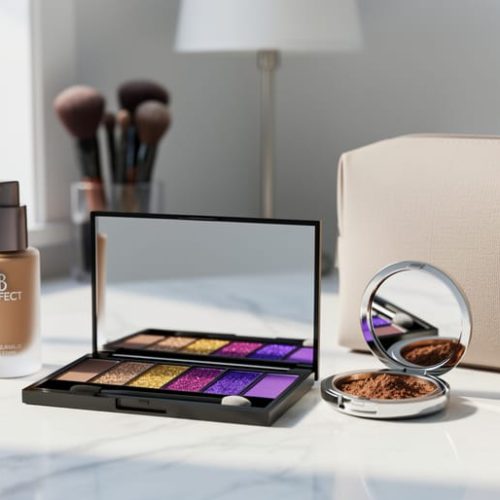

Radical cosmetics refers to two distinct but related ideas in the beauty world: a U.S.-based contract manufacturer that’s been developing color cosmetics and skincare since 2003, and a broader movement toward transparency and clean formulations in makeup and skincare. If you’re researching the company, you’ll find they specialize in helping brands bring products to market with innovative packaging and development solutions. If you’re exploring the clean beauty angle, the term captures a growing shift toward products free from questionable ingredients, backed by full disclosure about what goes on your skin.
I stumbled into this topic when a friend mentioned she couldn’t find ingredient lists on some of her favorite products, and it sent me down a research rabbit hole. What I discovered is that “radical” in beauty means different things depending on context, but the thread connecting them is a commitment to doing things differently than the traditional cosmetics industry.
The beauty landscape has changed significantly as consumers demand more information about formulations. Women want to know exactly what they’re putting on their faces, especially when budget-friendly options often skimp on transparency. Whether you’re curious about the manufacturing side or simply want to make smarter choices with your makeup bag, understanding both interpretations helps you navigate product claims and find brands that align with your values without breaking the bank.
The Two Sides of “Radical Cosmetics”
When you search for “radical cosmetics,” you’ll encounter two very different meanings that share the same name.
On one side, there’s Radical Cosmetics, the actual company. This U.S.-based contract manufacturer has been developing and producing color cosmetics and skincare products for other brands since 2003. They operate out of Fort Pierce, Florida, alongside their sister company Lotus Cosmetics, providing manufacturing, development, and packaging solutions. Think of them as the behind-the-scenes partner that helps beauty brands bring their product ideas to life, handling everything from formulation to filling those sleek compacts.
On the other side sits something entirely different: the concept of “radical” cosmetics as a movement. This interpretation has nothing to do with the Florida-based manufacturer. Instead, it refers to beauty brands taking a radically transparent approach to their ingredients, sourcing, and production practices. These companies position themselves as disruptors challenging conventional industry secrecy around formulations and processes.
The movement centers on brands that fully disclose ingredient lists, explain where components come from, show real manufacturing processes, and openly discuss what goes into their products and why. It’s about transparency as a core value rather than a marketing add-on.
This dual meaning creates understandable confusion. When beauty enthusiasts discuss “radical cosmetics,” they’re typically talking about the transparency movement and the brands embracing it, not referencing the manufacturing company. Context matters enormously. A discussion about contract manufacturing likely means the Fort Pierce facility, while conversations about clean beauty philosophy point to the broader movement pushing for industry-wide change in how brands communicate with consumers.
What Makes a Cosmetic Brand “Radical” in 2026

The term “radical” in cosmetics describes brands that have turned transparency from a nice-to-have into their core operating principle. These companies go beyond simply listing ingredients, they reveal sourcing details, explain formulation choices, and openly share manufacturing processes that most brands consider proprietary secrets.
Full ingredient disclosure sits at the foundation. While the FTC Green Guides for claims set minimum requirements, radical brands typically publish complete ingredient breakdowns online, including percentages, botanical names, and specific forms of compounds. They explain why each ingredient appears in a formula rather than hiding behind vague terms like “proprietary blend” or “parfum.”
Ethical sourcing practices distinguish these brands from conventional competitors. They trace ingredients back to specific farms or suppliers, disclose labor conditions, and verify fair-trade certifications when applicable. Many publish supplier lists and maintain relationships with growers who use regenerative farming methods that improve soil health rather than depleting it.
Sustainable packaging moves beyond recyclable containers to include refill programs, post-consumer recycled materials, and minimal outer packaging. Some brands calculate and publish the carbon footprint of individual products, then work actively to reduce those numbers rather than treating sustainability as a marketing checkbox.
Challenging industry norms means questioning practices that prioritize shelf life over ingredient integrity, or marketing budgets over product quality. Radical brands often skip retail markups by selling directly to consumers, which lets them invest more in formulation while keeping prices accessible. They acknowledge limitations honestly, admitting when a natural preservative shortens shelf life, or when a product won’t work for every skin type.
The approach requires genuine commitment rather than surface-level gestures. Brands embracing this model build trust through consistency: if they claim transparency, their practices hold up under scrutiny. They invite questions, respond to concerns, and treat customers as informed participants rather than passive consumers who should simply trust the packaging claims.
What makes this model “radical” isn’t any single practice, it’s the willingness to operate differently than an industry that has historically relied on proprietary secrecy and consumer trust based on limited information. These brands bet that educated customers make better long-term supporters than confused ones.
Why This Matters for Your Beauty Routine
I wish I could tell you I figured out clean beauty on my own, but honestly, I spent years grabbing whatever was on sale without thinking twice. Then my skin started reacting to products that had worked fine before. Suddenly, those ingredient lists I’d been ignoring became essential reading, and I realized how little I actually knew about what I was putting on my face every day.
This is where the transparency conversation gets personal. Whether you call it radical cosmetics or just being more mindful, understanding what goes into your beauty products matters for practical reasons that affect your wallet, your skin, and your peace of mind.
For starters, skin sensitivity is real and increasingly common. If you’ve ever dealt with unexplained breakouts, redness, or irritation, ingredient awareness becomes less about following trends and more about protecting yourself. I learned this the hard way with a mascara that left my eyes swollen for three days. Reading labels now feels less like homework and more like self-preservation.
The budget angle matters too. Clean beauty marketing can make you feel like you need to replace everything in your makeup bag with $65 serums, but that’s not realistic for most of us. The actual point is knowing what you’re buying, whether it costs eight dollars or eighty. A transparent brand at the drugstore beats an expensive product hiding questionable ingredients behind fancy packaging.
What shifted for me was realizing that informed choices are empowering ones. You don’t need to become a cosmetic chemist or obsess over every trace ingredient. But having basic literacy about what you’re using, why certain ingredients might not work for you, and how to evaluate brand claims gives you control. Our buying guide for cosmetics can help you develop that foundation without the overwhelm.
This isn’t about perfection. It’s about making choices that align with how you want to treat your body and your budget.
How to Spot Genuinely Transparent Brands

I’ve learned to be skeptical of beauty brands throwing around words like “clean,” “natural,” and “transparent.” After years of comparing ingredient lists to marketing promises, I can spot the difference between brands genuinely committed to transparency and those using it as a sales tactic. Here’s what actually works when you’re trying to separate substance from spin.
Check the Full Ingredient List First
Real transparency means you can find complete ingredient lists before you buy. Visit the brand’s website and look for products with full INCI (International Nomenclature of Cosmetic Ingredients) listings, not just highlighted “hero” ingredients. If a brand proudly displays their formulas online, that’s a good sign. If you have to buy the product first to see what’s in it, they’re not as transparent as they claim.
Verify Third-Party Certifications
Anyone can print “clean” or “natural” on a label, but legitimate certifications require verification. Look for stamps from organizations like EWG Verified, USDA Organic, Leaping Bunny (cruelty-free), or B Corp status for overall company ethics. These certifications mean someone besides the brand’s marketing team has reviewed their practices. Keep in mind that certifications cost money, so smaller brands might be genuinely transparent without them, which brings us to the next point.
Follow This Vetting Process
When evaluating a new brand’s transparency claims, I use this sequence:
- Search for the brand name plus “ingredients” to see if they publish full formulas publicly
- Look up their manufacturing practices, do they explain where and how products are made?
- Check if they disclose sourcing information for key ingredients, particularly actives
- Read their “about” page for specifics about their mission, not just vague sustainability language
- Search for independent reviews that mention ingredient quality, not just product performance
This approach helps you build a complete picture rather than relying on front-of-package marketing.
Look for Specific Language, Not Buzzwords
Genuinely transparent brands explain what they exclude and why. Instead of “free from harmful chemicals” (everything is a chemical), they’ll say “formulated without parabens and synthetic fragrances to reduce irritation risk.” They define their standards clearly. When I wrote my Doll 10 review I looked for this kind of specific disclosure about what went into the formulas and why.
Test Their Customer Service
Email the brand with a specific ingredient question. Transparent companies usually respond with detailed answers, sometimes even linking to studies or explaining formulation choices. Evasive or generic responses suggest they’re more interested in selling than educating.
You deserve to know what you’re putting on your skin without needing a chemistry degree to decode it.
Making Radical Cosmetics Work on a Budget
You don’t need to drain your bank account to make cleaner beauty choices. Start by swapping out the products that sit on your skin longest, moisturizer, foundation, and sunscreen, since these have the most sustained contact with your body. Leave-on products matter more than rinse-off ones when you’re prioritizing your budget.
I switched to a transparent moisturizer first and kept my regular shampoo for months. That single change felt manageable financially and gave me confidence to research my next swap without the pressure of overhauling everything at once.
Look for drugstore brands that list full ingredient breakdowns on their websites, not just the legally required label. Many accessible lines now offer transparency without the luxury markup. When you shop skincare online you can compare ingredient lists side-by-side and find budget-friendly options with genuine disclosure practices.
Watch for greenwashing premium pricing, words like “clean” or “natural” on a label don’t justify a 300% markup if the brand won’t tell you what’s actually inside. Some brands charge more for vague promises than proven formulations. Cross-reference ingredient lists against databases like the Environmental Working Group’s Skin Deep to verify claims before you pay extra.
If you’re curious about newer brands gaining attention for transparency, you might also check where to buy Kaima to see how accessible options are expanding. The point is gradual, intentional shifts that align with both your values and your wallet.

You don’t need to overhaul your entire beauty routine overnight or spend beyond your means to make choices that align with your values. The real power in embracing more transparent beauty is simply becoming a more informed shopper. Start with one or two products you use daily, read the ingredients, and ask questions when claims seem too good to be true. Radical doesn’t mean expensive or complicated; it means intentional.
I’ve found that some of my best discoveries came from swapping notes with friends who were also navigating this shift. We’ve saved each other from overpriced marketing hype and pointed each other toward genuinely better options that fit our budgets. Building that kind of supportive community, whether with friends or in online spaces, makes the whole process less overwhelming and more empowering.
Your beauty routine should work for you, your skin, and your wallet. Trust your research, listen to your skin, and remember that every small, thoughtful choice adds up to meaningful change over time.