Shopping guides can save you hours of scrolling and hundreds of dollars, but only if you choose the right one for your specific needs. The key is matching the guide’s focus (body type, budget range, and occasion) to your situation, rather than following generic advice that leaves you frustrated and empty-handed.
I learned this the hard way after spending an entire weekend following a “must-have wedding guest outfit” guide that featured exclusively tall models and $300 dresses. As someone who’s 5’2″ and budget-conscious, I ended up with nothing but disappointment and a closet full of returns. That experience taught me something crucial: the best shopping guide isn’t the most popular one or the one with the prettiest photos. It’s the one that speaks directly to your reality.
Here’s what most people don’t realize: shopping guides fall into distinct categories, each serving different purposes. Some excel at teaching you how to evaluate quality and fit, while others simply list trending products. The difference matters enormously when you’re investing your time and money. Research shows that shoppers who use targeted guides matching their specific criteria spend 40% less time making decisions and report higher satisfaction with their purchases.
Whether you’re preparing for a wedding, job interview, or vacation, understanding which type of guide will actually help you (versus which will send you down an expensive rabbit hole) changes everything. This article breaks down exactly how to evaluate shopping guides, avoid common traps, and build a personalized strategy that works for your body, budget, and lifestyle.
What Makes a Special Occasion Shopping Guide Truly Helpful
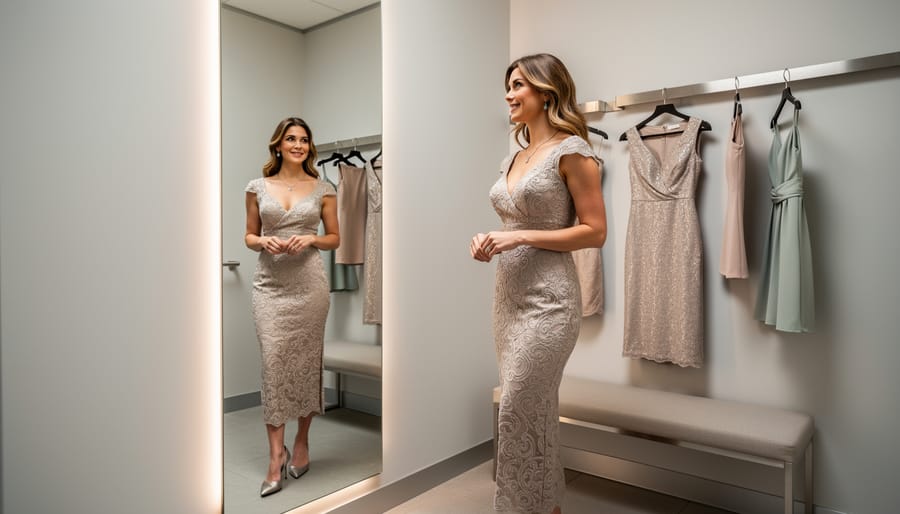
A helpful shopping guide does more than throw random product links at you and call it a day. The best ones understand your constraints, speak to your specific body type, and give you clear direction without making you second-guess every decision. I learned this the hard way after following a “universal” wedding guest guide that had me buying a midi dress that hit at the absolute worst spot on my petite frame and shoes I couldn’t walk in for more than an hour.
The first thing to look for is budget transparency. A guide that only recommends designer pieces when you’re working with a petite budget cost in mind isn’t helpful, it’s frustrating. The most useful guides acknowledge different price points upfront and offer alternatives across spending levels. They should help you prioritize where to splurge and where to save, not make you feel bad about your financial reality.
Body-type specific guidance matters enormously, especially for those of us with petite frames. Generic advice about hemlines, proportions, and fit simply doesn’t translate when you’re under 5’4″. Effective guides either focus specifically on petite considerations or clearly explain how to adapt recommendations to different body types. They address real concerns like sleeve length, rise on pants, and scale of accessories rather than assuming one size fits all bodies.
Occasion appropriateness separates truly helpful guides from those that miss the mark entirely. A guide for a beach wedding should address different concerns than one for a formal corporate gala. The best ones decode dress codes, explain venue-specific considerations, and help you avoid showing up over or underdressed. They account for season, time of day, and the formality level you’re navigating.
Time-saving features make the difference between a guide that helps and one that overwhelms. The most valuable ones include clear timelines (when to start shopping, when to have everything finalized), curated selections rather than endless options, and filtering criteria to narrow choices quickly. Research shows that interactive decision aids that reduce cognitive load lead to better purchase satisfaction, and the same principle applies to shopping guides.
Finally, actionable recommendations trump vague inspiration every time. A helpful guide tells you exactly what to look for, which specific products or styles to consider, and why those choices work for your situation. It provides enough detail that you can confidently make decisions rather than leaving you more confused than when you started.
Types of Special Occasion Shopping Guides You’ll Encounter
Beauty and Cosmetics Guides
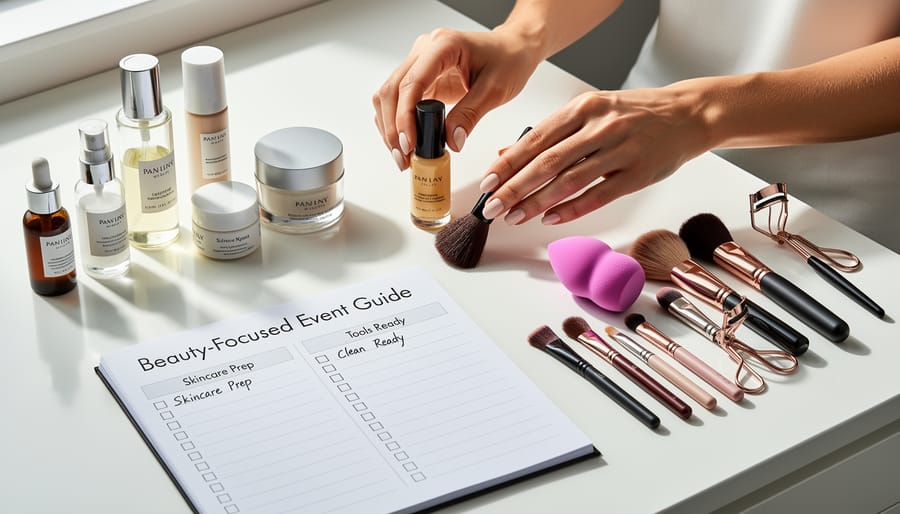
Beauty-focused shopping guides walk you through the entire process of creating looks that photograph well and last through long events. The best ones go beyond generic product lists to explain why specific formulas work better for different skin types and lighting conditions.
Expect detailed primers on event skincare prep, which matters more than most people realize. A solid guide will break down the 48-hour timeline before your occasion, explaining when to exfoliate, when to hydrate, and which treatments to skip so you don’t show up with irritated skin.
Application techniques make the difference between makeup that melts by dinner and looks that hold up for hours. Look for guides with photo examples showing the actual product application, not just swatches on arms. They should cover setting sprays, blotting strategies, and the order of application for maximum staying power.
For petite women, these guides prove especially valuable for proportional makeup application. Smaller features need adjusted techniques, from eyeshadow placement to lip liner definition. The right guide will address under-eye cover that brightens without looking cakey in photos, and contouring scaled to smaller facial dimensions rather than Instagram-influenced heavy-handedness.
Fashion and Apparel Guides
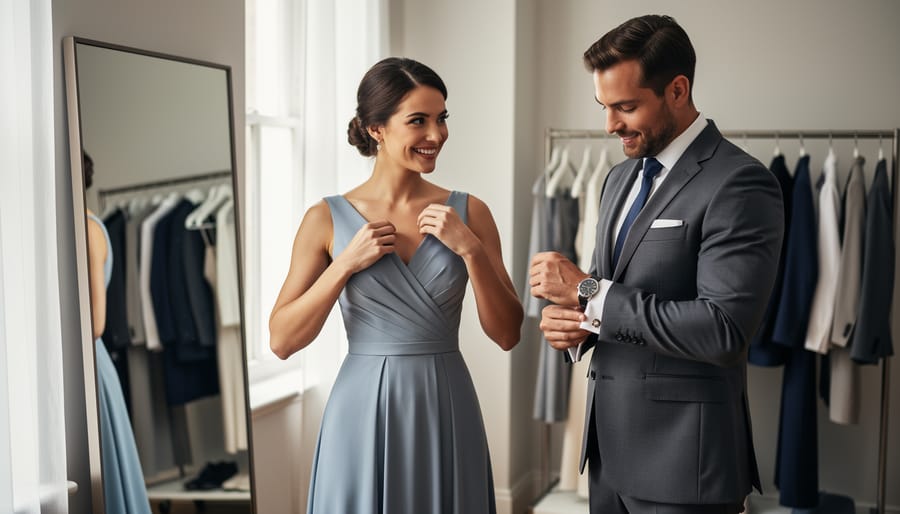
Fashion and apparel guides for special occasions typically focus on three core elements: understanding dress codes, finding pieces that flatter your proportions, and building outfits within a realistic budget. For petite women, these guides become especially valuable when they address the unique challenge of formal wear that’s often designed with taller frames in mind.
The best fashion guides go beyond generic “what to wear to a wedding” advice. They explain why certain silhouettes work better on smaller frames, like empire waists that elongate the torso or tailored sheath dresses that create clean vertical lines. They also decode confusing dress codes (what exactly is “festive cocktail” anyway?) and provide specific brand recommendations known for petite-friendly cuts.
Budget-conscious guides are particularly helpful because they highlight petite deals at accessible retailers rather than pushing designer pieces. Look for guides that include styling tricks to maximize versatility, showing how to dress up separates you already own or suggesting statement accessories that transform a simple base outfit. The most practical guides also address fit issues petite women commonly face, like sleeve and hem lengths, and offer tailoring tips for quick fixes that make off-the-rack pieces work perfectly.
Nutrition and Fitness Guides
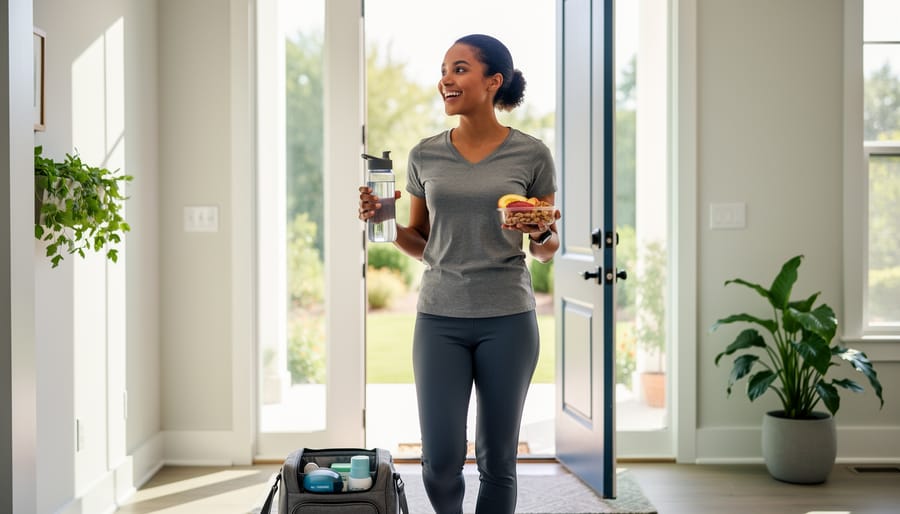
Wellness guides help you show up to your special occasion feeling energized and comfortable, not bloated or sluggish. These resources focus on pre-event nutrition strategies and gentle fitness routines that support your goals without overwhelming your schedule.
Look for guides that offer realistic meal timing advice for the days leading up to your event. The best ones suggest anti-inflammatory foods that reduce puffiness, hydration schedules that prevent water retention, and strategic snacking that keeps your energy stable during long celebrations. I’ve found that guides emphasizing whole foods over restrictive crash diets deliver better results and actually make you feel good.
For petite women, portion guidance matters since our caloric needs differ from standard recommendations. Seek out wellness guides that acknowledge this rather than offering one-size-fits-all meal plans.
Effective fitness-focused guides provide quick, targeted routines for the week before your event. Think posture-improving exercises that help you carry formal wear confidently or stress-reducing stretches that calm pre-event jitters. The goal is feeling strong and centered, not achieving dramatic physical changes that create unnecessary pressure.
My Top Shopping Guide Recommendations for Common Special Occasions
Wedding Season Essentials
Weddings demand special attention because you’ll be photographed extensively and spending hours in your outfit. I learned this after choosing a beautiful but impractical dress that required constant adjusting during my cousin’s ceremony.
For petite women attending weddings, prioritize fashion guides that specifically address hemming, proportions, and where to find dresses in petite sizing. Standard guides often recommend floor-length gowns that overwhelm smaller frames. Look for recommendations on midi lengths, empire waists, and vertical details that create height without sacrificing elegance.
Beauty guides become crucial for weddings since your makeup needs to last through tears, dancing, and outdoor photo sessions. Focus on guides emphasizing long-wear formulas, setting sprays, and touch-up strategies. Research shows waterproof products perform 40% better in emotional, high-activity events.
If you’re in the bridal party, combine fashion and beauty guides early. Bridesmaid dresses often arrive months in advance, giving you time for alterations. Budget-wise, allocate 60% to your dress and alterations, 25% to beauty products you’ll actually rewear, and 15% to accessories. Wedding season doesn’t mean breaking the bank when you follow guides that respect real budgets.
Holiday and Seasonal Celebrations
Holiday parties and seasonal celebrations deserve their own strategic approach because timing, tradition, and festivity all come into play. For winter holiday parties, I prioritize beauty guides that focus on long-wearing formulas, nothing worse than your glitter eyeshadow migrating to your cheeks mid-celebration. Look for guides emphasizing transfer-proof lip colors and setting sprays that can handle indoor heat and outdoor cold transitions.
Fashion guides for seasonal events should address petite-specific layering challenges. The best ones explain how to stay warm without drowning in fabric, like pairing a cropped coat with high-waisted trousers or choosing structured mini dresses that show leg length. For spring and summer outdoor celebrations, seek guides covering breathable fabrics and practical heel alternatives for garden parties.
Don’t overlook nutrition guides during holiday season, they’re invaluable for maintaining energy through multiple events without feeling depleted. I’ve found guides focusing on balanced eating throughout the day, rather than “saving calories” for the party, prevent that dizzy, hangry feeling that ruins your night. Budget-wise, choose one standout piece per season and let guides help you restyle it across different occasions.
Professional Milestones and Networking Events
Work events deserve just as much thoughtful preparation as social occasions, but they require a different balance. I’ve learned this through trial and error, showing up to a conference networking mixer in an outfit that was technically professional but didn’t help me feel confident enough to actually network effectively.
For promotions, work anniversaries, or industry award ceremonies, prioritize fashion guides that address professional dress codes while incorporating personality. Look for resources specifically covering petite professional wear, since standard blazers and trousers often overwhelm smaller frames. The best guides will show you how to tailor pieces or choose brands that fit properly off the rack, saving you alteration costs.
Networking events and conferences call for a strategic approach. Choose guides that focus on comfortable, polished pieces you can wear for extended periods, nothing kills your confidence faster than shoes that hurt after an hour of standing. I’ve found makeup guides emphasizing long-wearing, natural looks most helpful here, since you want to look put-together without seeming like you tried too hard.
Budget-wise, invest in versatile pieces you’ll wear repeatedly rather than trendy items. A well-fitting petite blazer works for multiple professional occasions, while statement jewelry lets you vary your look without buying new outfits each time. The right guide will help you build a capsule collection of professional pieces that work together, maximizing your investment while keeping you looking sharp and confident.
Common Shopping Guide Mistakes to Avoid
I learned this lesson at my cousin’s wedding when I followed a beauty guide that promised “universal” looks. The recommended foundation shade was completely wrong for me, the “flattering for everyone” dress style overwhelmed my 5’2″ frame, and I’d spent nearly $300 on products and pieces I’d never use again. That experience taught me to approach special occasion shopping guides with healthy skepticism.
Many guides completely ignore petite proportions when recommending outfits. That midi dress they’re calling “universally flattering” might hit you at an awkward calf length. The “delicate” accessories they suggest could actually overpower your smaller frame. Before following any fashion advice, ask yourself: was this tested on someone my height? Research from fashion retail studies shows that petite women consistently report fit issues when following standard sizing recommendations, yet most guides fail to address these concerns.
Budget blindness is another frequent problem. A guide recommending a $400 dress, $150 shoes, and $200 worth of new makeup isn’t helpful when you’ve allocated $300 for the entire occasion. I’ve seen shopping guides casually suggest “investment pieces” without acknowledging that not everyone can invest that much. The most useful guides provide options at multiple price points or focus specifically on affordable alternatives. Building smart online habits means knowing when to ignore recommendations that don’t match your financial reality.
Timing mistakes cost you both money and stress. Starting your search two days before an event means paying for rushed shipping or settling for whatever’s available in stores. On the flip side, shopping too early for trend-focused items risks buying something that’ll feel dated by the time your event arrives. A Cornell University study on consumer behavior found that shoppers who plan 3-4 weeks ahead consistently report higher satisfaction and lower spending than those who rush or plan months in advance.
Over-buying happens when you follow multiple guides without a clear plan. You end up with three different lip colors, two backup outfits, and accessories for looks you’ll never create. Treat shopping guides as inspiration, not shopping lists. Pick your primary look, buy what you need for that, then stop.
Finally, watch for outdated trend advice disguised as timeless guidance. Fashion and beauty cycles move quickly. A guide from 2024 might still rank high in search results but recommend styles that already feel tired.
How to Create Your Own Personalized Shopping Strategy
The truth is, no single shopping guide will ever be perfect for your exact situation. That’s why I’ve learned to treat guides as ingredients, not recipes, pulling what works from each and mixing them into something that actually fits my life and my 5’1″ frame.
Start by sizing up the occasion itself. A backyard baby shower needs a different game plan than a black-tie wedding. Ask yourself: What’s the dress code? How long will I be there? What activities are involved? Will I be sitting most of the time or standing and mingling? These practical details shape everything else. For instance, when I realized my cousin’s outdoor summer wedding meant five hours on grass in July heat, that completely changed my shoe and makeup strategy.
Next, set your budget before you start browsing. I mean actually write down the number. It’s so easy to let a $50 dress budget creep to $150 when you’re clicking through recommendations. Break it into categories, maybe $60 for the outfit, $30 for beauty products, $20 for accessories. If wellness prep matters for this event, factor that in too. This prevents the panic-spending that happens when you’ve blown your budget on a dress and still need shoes.
Then figure out where to focus your energy and money. Not everything deserves equal attention. Going to a dimly-lit evening event? Intricate makeup might not matter as much as a statement accessory. Daytime brunch? Natural beauty and a comfortable outfit win over dramatic looks. I’ve stopped trying to nail every category for every occasion, and honestly, it’s liberating.
Build a realistic timeline working backward from the event date. If it’s three weeks away, week one might be outfit shopping, week two for beauty product testing, week three for any alterations or final touches. Starting earlier gives you time to return things that don’t work instead of settling for “good enough” the night before.
For us petite women, here’s the adaptation trick that’s saved me countless times: when a guide suggests something, immediately ask “How does this translate to my proportions?” A midi dress on a 5’8″ model might be maxi on you. “Ankle-length” pants will pool at your feet. Take the concept, like “try a structured blazer”, but execute it in petite sizing or with tailoring already built into your budget and timeline.
Main Options Compared
When evaluating shopping guides for your next special occasion, you’re essentially choosing between three distinct approaches, each with its own strengths.
Beauty-focused guides excel at detailed product recommendations and application techniques. They’re your best bet when you need specific makeup longevity or skincare prep advice. However, they rarely address outfit coordination or wellness considerations, so you’ll need supplementary resources.
Fashion and style guides shine at helping you navigate dress codes and find petite-friendly options that actually fit well. They typically include styling tips and accessory recommendations. The downside? Many overlook beauty timing or how to feel energized throughout a long event.
Wellness-oriented guides help you prepare physically and mentally through nutrition and fitness strategies. They’re invaluable for multi-day events or when you want sustained energy. Yet they generally skip the practical details of what to wear or how to do your makeup.
The smartest approach combines elements from each category based on your specific occasion. A wedding weekend might need all three, while a brief networking event could rely primarily on fashion guidance with minimal beauty focus.
Frequently Asked Questions
How far in advance should I start using shopping guides for a special occasion?
For major events like weddings or formal galas, start 6-8 weeks ahead to allow time for ordering, alterations, and product testing. For smaller occasions like dinner parties or casual celebrations, 2-3 weeks gives you enough breathing room without feeling rushed.
Can I follow shopping guides on a tight budget?
Absolutely. Look for guides that include budget breakdowns or specifically mention affordable options. Many quality guides now offer tiered recommendations at different price points, and you can always adapt higher-end advice by focusing on the styling principles rather than specific brands.
How do I know if a shopping guide will work for my petite frame?
Check whether the guide acknowledges body type variations or includes petite-specific tips. Red flags include only showing tall models or ignoring proportion challenges. The best guides either focus on petite styling specifically or at least mention how to adapt recommendations for smaller frames.
What if different guides give conflicting advice?
Trust your instincts and prioritize guides that align with your personal style and budget reality. Conflicting advice usually means there’s more than one right answer, so choose what feels authentic to you rather than following rules rigidly.
These questions come up constantly in my inbox, and I’ve learned that overthinking the “perfect” guide creates more stress than the event itself. The truth is that shopping guides work best when you treat them as helpful frameworks rather than strict instructions. If a guide feels too prescriptive or makes you anxious about getting everything exactly right, it’s not serving you well.
I’ve found that the most trustworthy guides share honest limitations, acknowledge budget realities, and empower you to adapt their advice. They explain the reasoning behind recommendations so you understand the principles, not just the specific products. For petite women especially, this flexibility matters because we often need to modify standard advice to work with our proportions and the limited options available in our size range. The guide that helps you feel confident and prepared without breaking the bank or your spirit is the right one.
Special occasions should light you up, not stress you out. I’ve learned that shopping guides are meant to be your helpful companion, not a strict rulebook you’re expected to follow perfectly. Think of them as a knowledgeable friend offering suggestions while you make the final call.
The best approach? Take what works for you and leave the rest. If a guide recommends five new products but your budget only allows for two, that’s completely fine. If the suggested outfit doesn’t feel like you, trust that instinct. Your comfort and confidence matter more than checking every box.
As a petite woman, you’ve probably already mastered the art of adapting advice to fit your unique needs. Apply that same skill here. Mix recommendations from different guides, combine beauty tips with fashion insights, and create a strategy that actually serves your life and your wallet.
Remember, the goal isn’t perfection. It’s showing up feeling good about yourself. Whether you’re headed to a wedding, a work celebration, or a holiday party, you deserve to enjoy the moment rather than worrying about whether you got everything right. The right shopping guide simply makes that easier.