
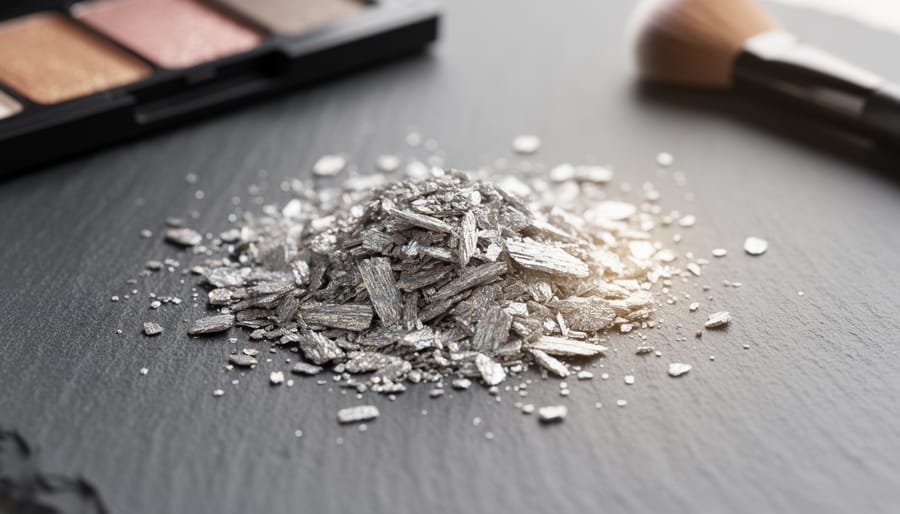
That luminous glow in your favorite highlighter or eyeshadow? It comes from mica, a naturally occurring mineral mined from stone that splits into delicate, light-reflecting flakes. When I first learned this a few years ago while investigating my own makeup bag, I was surprised to discover that this single ingredient is responsible for virtually every shimmer effect in modern cosmetics, from foundations and lipsticks to nail polish and blush.
Mica has been the beauty industry’s secret weapon for decades because its unique crystalline structure catches and reflects light in a way that creates that coveted radiant finish we all love. The mineral is mined in more than 35 countries, making it widely available and relatively inexpensive for beauty brands. You’ll also find it listed on ingredient labels as synthetic fluorphlogopite, which is the lab-created version that offers the same shimmery properties without mining.
But here’s where things get interesting. While mica delivers that gorgeous glow, the story behind how it reaches your makeup bag isn’t always sparkly. The sourcing of natural mica has raised ethical questions in recent years, prompting some brands to switch entirely to synthetic alternatives or eliminate mica altogether. Lush, for example, has been completely natural mica free since 2018.
Understanding what creates that shimmer effect empowers you to make informed choices about the products you buy and use every day. Whether you’re drawn to that dewy finish or prefer to avoid certain ingredients, knowing the difference between natural and synthetic mica, along with the ethical considerations surrounding it, helps you shop with confidence.
What Exactly Is Mica?
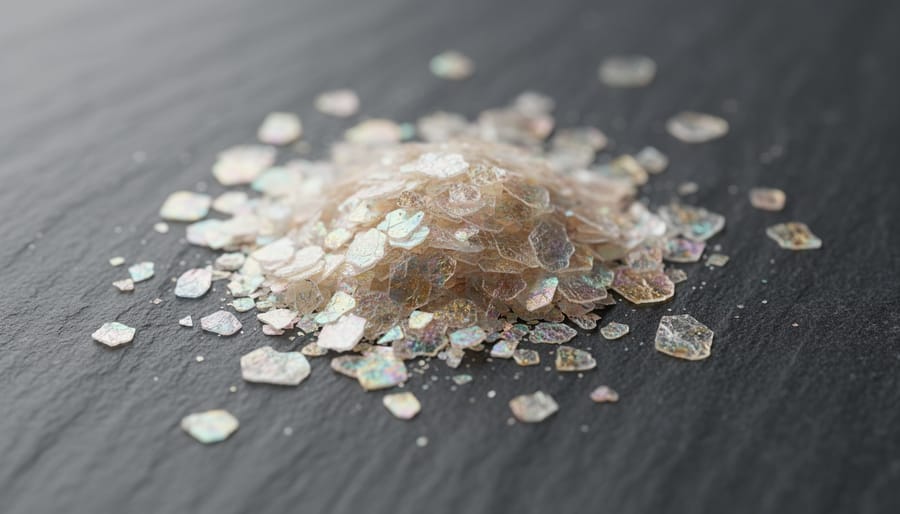
Mica is essentially a group of naturally occurring minerals that form in layers within rocks, and those layers create incredibly thin, reflective flakes that catch and bounce light beautifully. Think of it like tiny mirrors embedded in stone. When these flakes are ground down into fine powder, they produce that gorgeous shimmer we love in our makeup. The name comes from the Latin word “micare,” which means “to glitter”, pretty fitting, right?
This mineral has been a beauty staple for much longer than you might expect. Cosmetic companies started incorporating mica into formulations back in the mid-20th century, and it quickly became the go-to ingredient for adding luminosity without the heavy, theatrical sparkle of traditional glitter. The reason it caught on so fast is simple: mica provides a subtle, skin-like glow that looks natural rather than costume-y.
What makes mica particularly valuable in cosmetics is its unique structure. Those thin, flat flakes don’t just reflect light, they scatter it in multiple directions, creating dimension and radiance on your skin. It’s why a foundation with mica can make your complexion look more luminous without appearing glittery, and why eye shadows with mica have that professional, blendable quality. The flakes are also incredibly stable, which means your shimmery products won’t change color or lose their glow over time.
The beauty industry loves mica because it’s versatile and works beautifully across different formulations, whether powder, cream, or liquid. It plays well with other ingredients and can be combined with pigments to create an endless range of shimmery shades and finishes.
Where You’ll Find Mica in Your Makeup Bag
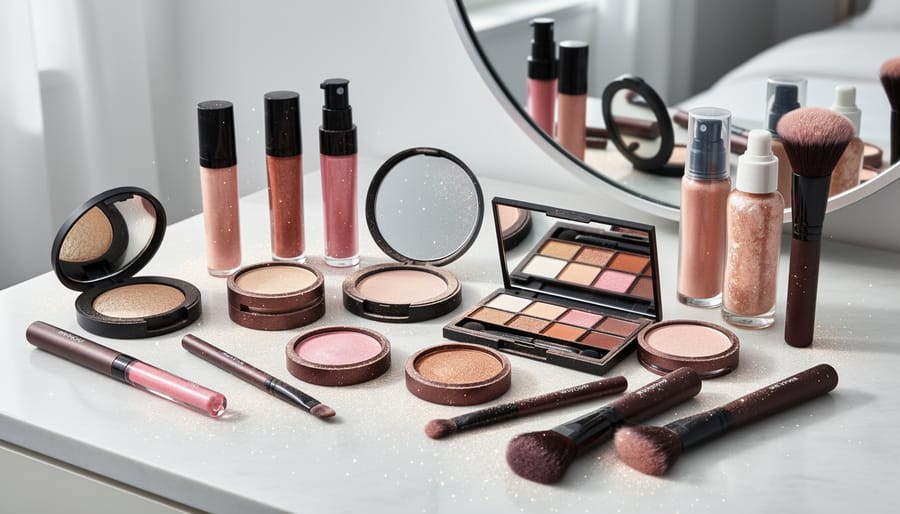
I’ll be honest, before I started really paying attention to ingredient labels, I had no idea how many of my favorite products contained mica. Turns out, it’s pretty much everywhere in the shimmer department.
Eye shadows are probably the biggest mica users in your collection. That gorgeous sheen in your neutral palette? That reflective quality in metallic shades? Almost always mica. It gives eye shadow that buttery, light-catching finish that makes your eyes pop without feeling heavy or chalky. Even matte palettes often contain a touch of mica in transition shades to add subtle dimension.
Foundations and face powders use mica too, though usually in smaller amounts than eye products. It creates that lit-from-within glow or helps blur fine lines by reflecting light away from imperfections. If you’ve got a foundation that promises radiance or luminosity, check the ingredients, mica is likely there doing the work.
Lipsticks and glosses rely on mica for everything from subtle shine to full-on sparkle. It’s what gives your favorite nude lip a gentle sheen or your going-out gloss that party-ready shimmer. The mineral catches light as you move, making lips look fuller and more defined.
Don’t forget nail varnish. That pretty shimmer in your pink polish or the glittery finish on your favorite party shade is almost always mica-based. It suspends beautifully in the formula and creates consistent sparkle across the nail.
Reading labels gets easier with practice. On ingredient lists (called INCI lists), you’ll see mica listed by name, sometimes followed by color additives like titanium dioxide or iron oxides that give it different tints. Synthetic versions might appear as fluorphlogopite or synthetic fluorphlogopite. Once you start looking, you’ll be surprised how often this little mineral shows up in products you use every single day.
Natural vs. Synthetic Mica: What’s the Difference?
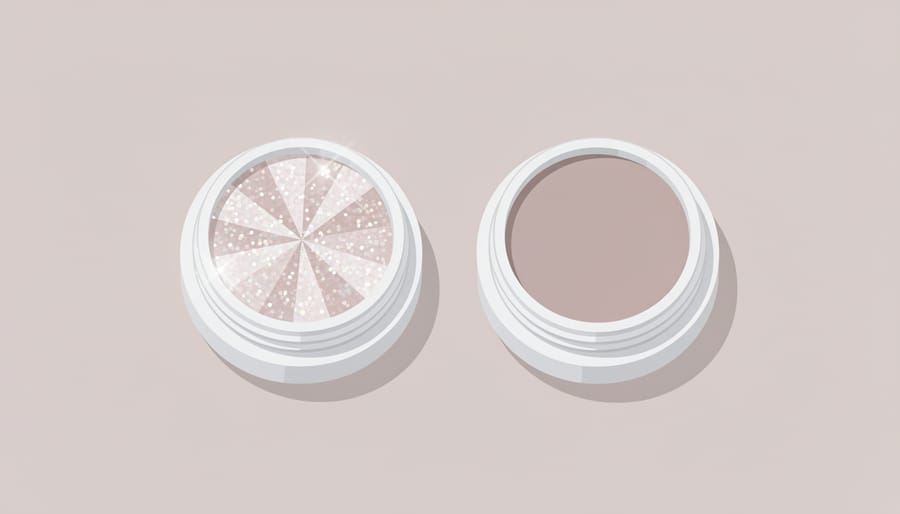
When I first started researching ingredients, I was surprised to learn that the shimmer in my favorite products could come from two completely different sources. Understanding the difference between natural and synthetic mica changed how I shop for makeup.
Natural mica is mined from the earth in more than 35 countries. It’s the original shimmer ingredient, prized for its authentic sparkle and light-reflecting properties. The flakes occur naturally in stone and have been used in cosmetics for decades because they create that coveted glow we all love.
Synthetic mica, formally called Fluorphlogopite, is created in laboratories. Scientists replicate the structure of natural mica to produce consistent particles that perform similarly in cosmetics. While it might sound less appealing at first, synthetic options actually solve some real problems in the beauty industry.
Natural Mica Pros
- Creates authentic, varied shimmer with natural light-reflecting properties.
- Biodegradable and sourced from the earth without chemical synthesis.
- Often preferred by consumers seeking “clean” or natural beauty products.
Natural Mica Cons
- Sourcing can involve ethical concerns around mining practices and labor conditions.
- Quality and particle size can vary between batches, affecting product consistency.
- Environmental impact of mining operations and habitat disruption.
Synthetic Mica Pros
- Eliminates ethical concerns related to mining labor practices.
- Provides consistent particle size and quality for predictable performance.
- Can be produced with minimal environmental impact compared to mining.
Cons
- Requires chemical processing and laboratory production.
- Some consumers prefer natural ingredients and may avoid synthetic options.
- May not replicate the exact shimmer quality of natural mica in all formulations.
The choice between natural and synthetic mica often comes down to your personal values. If ethical sourcing is your priority, synthetic mica removes concerns about mining conditions. Some brands, like Lush, have been completely natural mica free since 2018, opting instead for synthetic alternatives or different shimmer sources altogether.
For those with sensitive skin, synthetic mica can actually be gentler because it’s manufactured in controlled conditions without the trace minerals and impurities found in natural sources. On the other hand, if you’re committed to natural beauty products, you’ll want to look for brands that transparently disclose their mica sourcing practices.
Neither option is inherently better. What matters is understanding what aligns with your needs and values, so you can choose products that make you feel good inside and out.
The Ethical Side of Shimmer
Here’s something I wish I’d known earlier: that gorgeous shimmer in my favorite highlighter might have a complicated story behind it.
A few years ago, I started seeing headlines about child labor in mica mines overseas. Natural mica is mined in more than 35 countries, and unfortunately, some of those mining operations involve unsafe working conditions and even illegal labor practices. It was a wake-up call that made me rethink what’s actually in my makeup bag.
This is where understanding clean beauty standards becomes genuinely important. Ethical mica sourcing has become a real priority for many brands, and some have decided to eliminate natural mica altogether. Lush has been completely natural mica free since 2018, switching entirely to synthetic alternatives to avoid supporting problematic supply chains.
That doesn’t mean every natural mica is ethically questionable. Many companies now work directly with responsible suppliers who provide fair wages and safe conditions. The challenge for us as shoppers is figuring out which brands do the work.
When you’re choosing shimmery products, here are questions worth asking:
Does the brand disclose where their mica comes from? Transparency is a good sign. Some companies list their suppliers or certifications right on their websites.
Are they using synthetic alternatives? Synthetic fluorphlogopite avoids mining concerns entirely, though some people prefer natural ingredients.
What do third-party certifications say? Look for Fair Trade or responsible sourcing badges on packaging.
I’ve learned that it’s okay to reach out directly to brands and ask about their mica sourcing. The companies doing the right thing are usually proud to share that information. The ones who can’t or won’t answer? That tells you something too.
Your purchasing power matters, and knowing what questions to ask helps you support the kind of beauty industry you want to see.
Finding Mica-Free Alternatives (If That’s Your Choice)
Whether you’re navigating ethical concerns or dealing with sensitive skin, choosing mica-free products is absolutely valid. You’ll find plenty of gorgeous alternatives that deliver shimmer without compromise.
What Creates Shimmer Without Mica
Several ingredients can replicate that coveted glow. Synthetic fluorphlogopite, the formal name for synthetic mica, is actually lab-created and offers comparable shimmer without the mining concerns. You might also see boron nitride (which gives a soft-focus effect), calcium sodium borosilicate (creates intense sparkle), or even crushed pearl and sea shell extracts in premium formulas.
Some brands use plant-derived alternatives like rice starch or finely milled minerals that catch light differently. The shimmer might be subtler than mica-based products, but that can work beautifully for everyday looks where you want just a hint of radiance.
How to Identify Mica-Free Products
Check the ingredient list on the packaging or brand website. If you don’t see “mica” or “CI 77019” (its INCI code), you’re likely looking at an alternative formulation. Some brands explicitly market as mica-free, which makes shopping easier.
I’ve noticed that cream highlighters and glossy lip products often skip mica entirely, relying instead on oils and waxes to create sheen. They’re worth exploring if you’re testing the mica-free waters without committing to a full routine overhaul.
Remember, there’s zero judgment here. Your beauty choices are yours alone. Some of my favorite products contain mica, others don’t, and what matters most is finding what makes you feel confident and aligns with what’s important to you right now.
Smart Shopping Tips for Shimmer Products
Here’s a shopping secret I learned the hard way: the most expensive shimmer isn’t always the prettiest. After years of testing products on my petite frame and fair skin, I’ve developed strategies that help you find gorgeous glow without breaking the bank.
Start with samples whenever possible. Many drugstore brands now offer travel sizes of their shimmer products, which lets you test how mica looks on your specific skin tone before committing to a full-size purchase. This is especially important for petite women like us, because overly chunky shimmer can overwhelm smaller features.
When reading INCI labels (that’s the ingredient list on the back), look for “mica” or “CI 77019” near the top third of ingredients. The higher it appears, the more shimmer you’ll get. Our comprehensive cosmetics buying guide breaks down label reading in more detail.
Here are my tried-and-tested strategies for shimmer shopping:
- Test shimmer products in natural daylight near a window, not under harsh store lighting
- For petite body types, choose fine-milled mica rather than chunky glitter
- Look for multi-use products like cream shadows that work on cheeks and lips
- Check if synthetic fluorphlogopite is listed if you prefer lab-created shimmer
- Buy cream formulas over powder when learning to apply concealer with shimmer, as they blend more forgivingly
One more tip: shimmer in lighter shades stretches further on petite frames. A champagne highlight goes a long way compared to a bold gold that might require more product to achieve the same impact.
Now that you know what creates that gorgeous shimmer in your makeup, you’re equipped to make choices that truly feel right for you. Whether you reach for natural mica, synthetic alternatives, or prefer to skip shimmer altogether, there’s no wrong answer, only what aligns with your values and makes you feel confident.
I’ve found that understanding ingredients takes away the mystery and puts me back in control of my beauty routine. You’re not just buying pretty packaging anymore; you’re making informed decisions about what touches your skin and how your purchases reflect what matters to you. That knowledge is powerful, especially when you’re working with a budget and want every product to count.
The shimmer that makes you feel beautiful is the right choice, full stop. Trust yourself, read those labels with confidence, and remember that your glow, however you choose to create it, is uniquely yours to own.