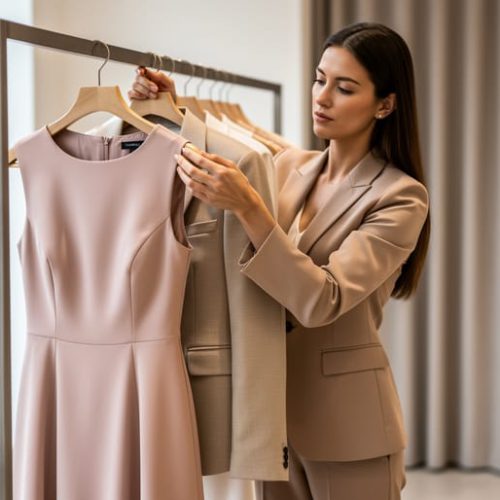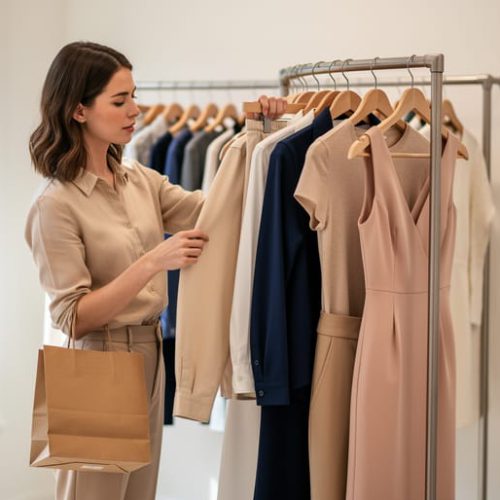
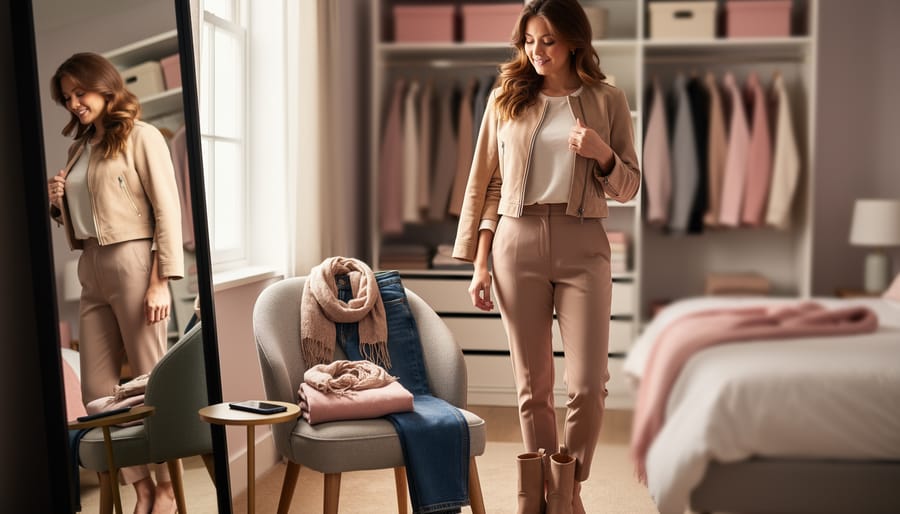
Following petite fashion bloggers typically costs you nothing upfront, but the real expense comes when you start buying the pieces they recommend or the styling services some offer. Most petite fashion content is freely available on Instagram, TikTok, YouTube, and personal blogs, giving you access to outfit ideas, sizing tips, and brand recommendations without opening your wallet. The catch? Acting on that advice can range from $50 for a few budget pieces inspired by a capsule wardrobe post to several thousand dollars if you’re following luxury-focused creators.
The financial impact shifts dramatically based on how you engage. Scrolling for inspiration and adapting ideas with clothes you already own keeps costs at zero. Shopping haul links and affiliate recommendations might lead you to spend $200 to $500 monthly if you click through regularly. Premium offerings like personalized styling consultations, exclusive content subscriptions, or curated shopping services from established petite bloggers run anywhere from $30 for a monthly membership to $300-plus for one-on-one virtual sessions.
What drives these costs up or down? Your own spending habits matter most, but blogger focus plays a huge role too. Creators who champion thrift finds, budget retailers, and styling tricks help you spend less, while those featuring designer labels and seasonal trends push budgets higher. The blogger’s monetization model matters as well. Some earn purely through affiliate commissions, creating subtle pressure to buy, while others offer transparent paid services that respect your budget boundaries.
I’ve followed petite fashion bloggers for years, sometimes spending freely on their recommendations and other times simply absorbing their knowledge to remix my existing wardrobe. The smartest approach treats blogger content as education, not a shopping list, letting you control exactly how much their advice costs you.
What You’ll Actually Spend Following Petite Fashion Bloggers
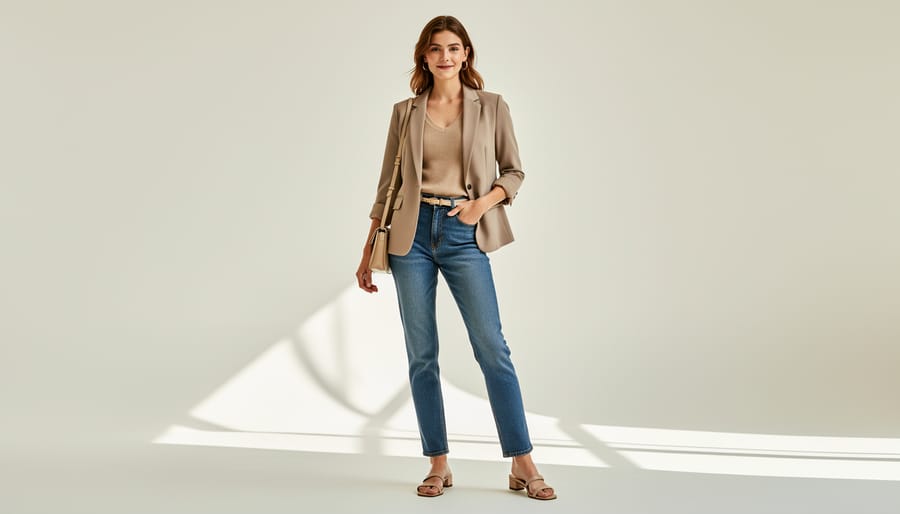
When I first discovered petite fashion bloggers five years ago, I honestly thought I’d need to spend a fortune to achieve their polished looks. I’d been struggling with mainstream fashion advice that never quite worked for my 5’2″ frame, buying and returning clothes constantly. The reality? Following petite fashion bloggers actually saved me money once I understood the cost structure.
Here’s what surprised me most: the vast majority of petite fashion blogger content is entirely free. You can scroll through Instagram feeds, watch YouTube styling videos, read detailed blog posts, and save Pinterest boards without spending a penny. The bloggers themselves aren’t charging you for inspiration, they earn through affiliate links and sponsorships, which means you’re their beneficiary, not their customer.
The costs start appearing when you move beyond passive consumption. Some established petite fashion bloggers offer paid styling guides ($15-50), comprehensive courses ($100-300), or exclusive membership communities ($10-30 monthly). These are optional investments that promise more personalized guidance than free content provides.
But the real expense comes from your shopping cart. When you actually buy that perfect pair of petite ankle pants a blogger featured, or invest in the capsule wardrobe pieces they recommend, those purchases add up quickly. This is where understanding your petite budget cost becomes crucial, because blogger inspiration can either streamline your spending or trigger impulse purchases you don’t need.
The good news? Unlike hiring a personal stylist who charges $100-300 per session, learning from petite fashion bloggers lets you control exactly how much you invest and when. You’re in the driver’s seat financially.
Cost Breakdown: Where Your Money Goes
Free Content and Inspiration
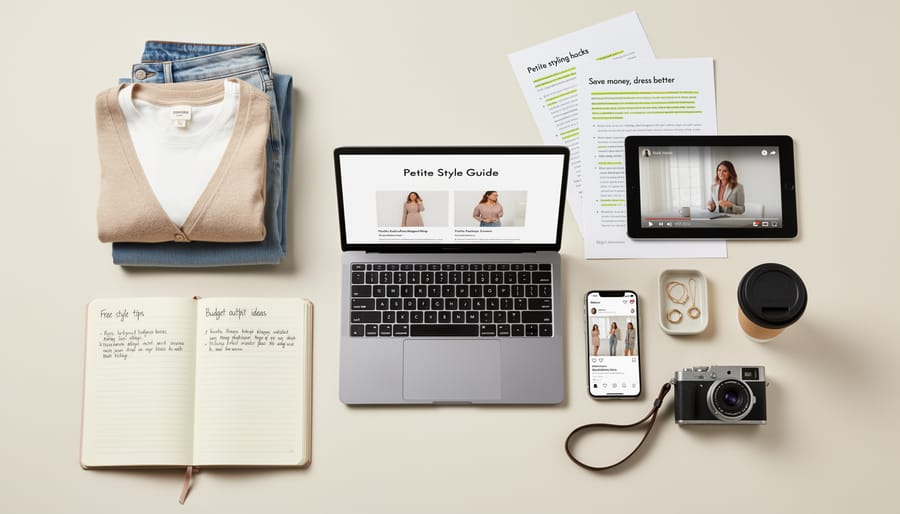
The vast majority of petite fashion blogger content costs absolutely nothing. I’ve spent countless hours scrolling through Instagram feeds of petite bloggers showcasing outfit combinations that actually work for our proportions, and I haven’t paid a cent beyond my phone bill.
Most petite fashion bloggers maintain free blogs packed with styling advice, fit reviews, and seasonal outfit ideas. Their Instagram accounts offer daily outfit inspiration, often with detailed captions explaining why certain pieces work for shorter frames. YouTube channels provide try-on hauls, styling tutorials, and honest reviews of petite-specific lines that help you avoid costly mistakes.
Pinterest boards curated by petite bloggers function as visual shopping guides, organizing looks by occasion, season, or body type. Email newsletters deliver this inspiration directly to your inbox, often including exclusive sale alerts for petite sections at major retailers.
The only investment here is time. I typically spend 15-20 minutes daily browsing this free content, which has prevented hundreds of dollars in poor purchases and taught me more about dressing my petite frame than any paid resource ever could.
Paid Resources and Services
Many petite fashion bloggers have expanded beyond free content to offer paid resources that promise deeper, more personalized guidance. Styling guides typically run $15-$50 and focus on specific challenges like proportion balancing or seasonal capsule wardrobes tailored for petite frames. E-books covering topics from alterations to body-type dressing usually cost $20-$40.
Online courses represent a bigger investment at $75-$300, often including video tutorials, printable resources, and workbook exercises on building a cohesive petite wardrobe. One-on-one styling consultations range from $100 for a single video session to $500+ for comprehensive closet audits with ongoing support.
Exclusive membership communities have gained popularity, charging $10-$50 monthly for access to private forums, live Q&A sessions, early content access, and members-only styling challenges. Some bloggers bundle these offerings into tiered memberships.
I’ve found the value varies dramatically. A well-crafted $30 styling guide taught me more about proportion than months of random shopping, while a $200 course mostly rehashed free content available elsewhere. The key is researching reviews and checking if the blogger’s aesthetic actually matches your lifestyle before investing.
Implementing the Looks
The real cost hits when you move from scrolling to shopping. I’ve found that implementing petite blogger looks can range from practically nothing to hundreds monthly, depending entirely on your approach.
Fast fashion pieces inspired by blogger outfits typically run $15-$40 each. A complete look might cost $60-$150 if you’re recreating it immediately. However, most successful petite fashion followers don’t buy entire outfits at once, they cherry-pick pieces that fill wardrobe gaps. A blogger’s styling technique for cropped blazers, for instance, taught me to shop my closet differently before purchasing anything new.
Mid-range retailers favored by petite bloggers (LOFT Petites, J.Crew Petite, Banana Republic Petite) price items between $40-$120. Investment pieces that bloggers champion, like quality petite trench coats or tailored trousers, range from $100-$300 but often last years.
The smartest approach I’ve adopted? Wait for sales on blogger-recommended items and focus on budget fall finds that work across multiple outfits. Most petite bloggers emphasize versatile pieces over trendy hauls, which naturally reduces spending when you actually follow their philosophy rather than just their shopping links.
How Different Engagement Levels Change Your Spending
The Casual Browser (Free)
At this engagement level, your only investment is time, and honestly, that’s the sweet spot I lived in for my first year of following petite fashion bloggers. You scroll Instagram during your morning coffee, save a few posts that catch your eye, maybe watch a YouTube video while meal prepping. Zero dollars spent.
The benefits stack up fast even without buying anything. You start recognizing which sleeve lengths actually work on shorter arms, notice how successful petite styling uses proportions differently, and mentally catalog which brands consistently fit well. I filled a Pinterest board with outfit formulas that cost me nothing but fifteen minutes of scrolling.
The trade-off? Progress comes slowly. You’re absorbing knowledge passively rather than actively transforming your wardrobe. Some bloggers gate their best styling secrets behind paid resources, so you might miss the really transformative techniques. But if you’re patient and observant, casual browsing builds a solid foundation of petite fashion knowledge without touching your clothing budget.
The Active Implementer ($20-$100/month)
At this level, you’re translating blogger inspiration into regular purchases, maybe one or two clothing items per month, a new accessory, or that specific product a petite blogger swears by. I’ve been here myself, saving screenshots of outfit formulas and actually buying the cropped blazer or ankle boots featured.
Your spending breaks down roughly like this: $15-40 monthly on clothing pieces (sales and fast-fashion options help), $5-20 on accessories or styling tools, and occasionally $10-30 on a recommended beauty or wardrobe essential. Some months you’ll spend less if you’re focused on restyling what you own using new techniques learned from bloggers.
The value here is tangible. You’re building a functional petite wardrobe based on proven styling strategies rather than guessing what might work. Your cost-per-wear drops because you’re choosing pieces that actually fit your proportions and lifestyle. The mistakes decrease dramatically, I’ve saved hundreds by avoiding purchases that looked great on standard-height models but would’ve been disasters on my 5’2″ frame.
Research shows intentional, blogger-guided purchases typically result in 40% fewer returns and unworn items compared to random shopping.
The Premium Community Member ($100-$500/month)
At the premium level, you’re not just following petite fashion bloggers, you’re investing in comprehensive guidance that reshapes how you approach your entire wardrobe. This typically includes monthly styling box subscriptions curated by petite bloggers ($50-$150), access to exclusive member communities with personalized feedback ($20-$50/month), and in-depth courses or capsule wardrobe programs ($100-$300 one-time or quarterly).
The clothing budget here reflects intentional wardrobe building rather than impulse purchases. You might spend $200-$400 monthly on recommended investment pieces, guided by blogger expertise on fit, versatility, and quality. Many premium members report this actually reduces long-term spending because they stop buying items that don’t work for their petite frame.
I’ve found this level makes sense when you’re committed to a wardrobe overhaul or need accountability. One reader told me she spent $350 monthly for six months on a blogger’s styling program and premium membership, then dropped to maintenance mode, but finally had a closet full of clothes that actually fit her 5’1″ frame properly.
What Influences Your Total Investment
Several factors determine whether following petite fashion bloggers becomes a minimal-cost hobby or a significant monthly expense. Understanding these variables helps you set realistic expectations and control your spending while still getting value from the content you follow.
The biggest influence is which bloggers you choose to follow and their typical price points. Some petite fashion bloggers focus exclusively on luxury brands and designer pieces, while others specialize in Target finds and thrift store transformations. I learned this the hard way when I started following a blogger whose aesthetic I loved, only to realize every outfit she posted cost more than my monthly clothing budget. Your spending will naturally align with the price range your chosen bloggers feature most often.
Your personal approach to implementing what you learn makes an enormous difference:
- Blogger’s typical price point focus (fast fashion, mid-range, designer, or mixed)
- How frequently you shop based on new content versus building a capsule wardrobe
- Your wardrobe starting point and what basics you already own
- Complexity of styling techniques and whether they require special tools or accessories
- Geographic access to brands and stores the blogger features
- Whether you adapt inspiration creatively or seek exact replicas of featured looks
Your existing wardrobe significantly impacts costs. If you already own well-fitting petite basics, you can implement blogger styling tips with minimal new purchases. Someone starting from scratch with mostly regular-length pieces that don’t fit properly will face higher initial costs to build a functional petite wardrobe, even when shopping budget-friendly brands.
How you interpret blogger content matters more than most people realize. Viewing a blogger’s outfit as strict instruction leads to expensive replica shopping. Treating it as creative inspiration lets you achieve similar looks with items you already own or budget alternatives. I’ve created versions of $300 blogger outfits for under $60 by understanding the styling principles rather than copying every specific piece.
Geography and brand availability drive hidden costs too. If your favorite petite blogger features brands unavailable in your area, you’ll pay shipping fees or spend time hunting alternatives. This adds both financial cost and time investment that casual followers often underestimate.
DIY Styling vs. Blogger Guidance: Which Saves More?
The True Cost of Trial and Error
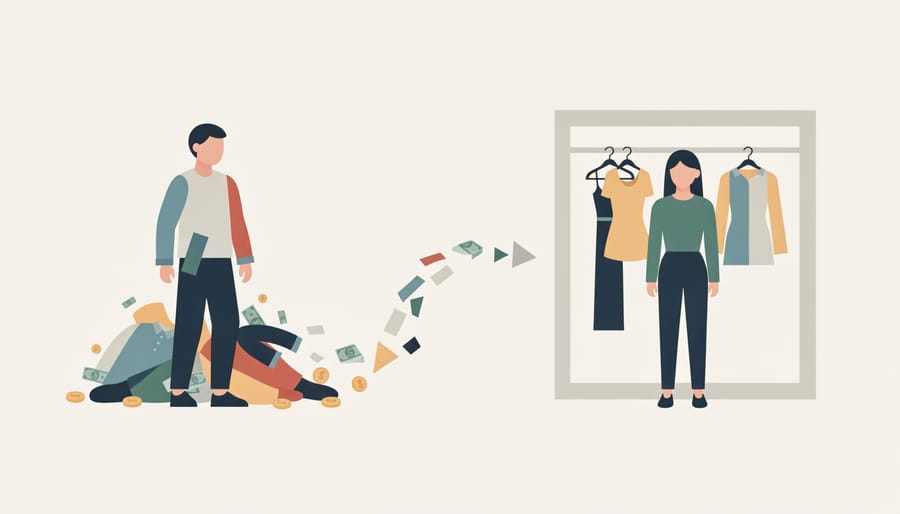
I learned this lesson the expensive way during my first two years of petite shopping. Without blogger guidance, I averaged three returns for every keeper, cycling through dozens of pieces that looked perfect online but hung wrong, bunched oddly, or required alterations that cost more than the garment. My bank statements told a sobering story: roughly $400 annually disappeared into return shipping, restocking fees, and items I kept “just in case” but never wore.
The numbers back up my experience. Research shows poor fit drives returns across the fashion industry, but petite shoppers face compounded costs because standard sizing rarely translates directly. When you’re guessing at inseam lengths, sleeve proportions, and rise measurements without reference points, you’re essentially paying tuition through failed purchases.
Beyond the return costs, consider the hidden expenses: keeping mediocre pieces because returning feels like too much effort, paying for alterations on sale items until the final price exceeds full-price alternatives, or buying multiples of promising items in different sizes. My pre-blogger wardrobe included six pairs of cropped pants that still pooled at my ankles and four blazers with shoulders that dwarfed my frame. That’s roughly $600 in mistakes that could’ve funded an entire seasonal wardrobe of pieces that actually worked.
When Blogger Guidance Pays for Itself
I learned this lesson the hard way after spending nearly $800 on petite clothing in my first three months of wardrobe building, only to wear about 40% of those purchases regularly. When I finally invested $50 in a comprehensive petite styling guide from a blogger I trusted, my purchase success rate jumped to around 85%.
The math becomes clear when you consider the cost of returns and mistakes. If you typically spend $300 monthly on clothing but half doesn’t work out, you’re essentially wasting $150 through return shipping, restocking fees, or items that languish unworn. A $30 blogger course teaching petite proportions and fit can eliminate most of those expensive errors within the first month.
Blogger guidance also accelerates your learning curve dramatically. Rather than spending two years figuring out which jean rises work for your torso length or which sleeve styles suit your arm proportions, you absorb those insights in weeks. That condensed timeline means fewer experimental purchases that miss the mark.
The investment truly pays for itself when bloggers teach you to shop your existing wardrobe differently. I had twelve pieces I never wore until a blogger’s styling video showed me three fresh combinations for each item. That revelation effectively gave me 36 new outfits without spending a cent, making her $25 styling guide worth every penny compared to buying more clothing I might have misused.
Budget-Friendly Ways to Learn from Petite Fashion Bloggers
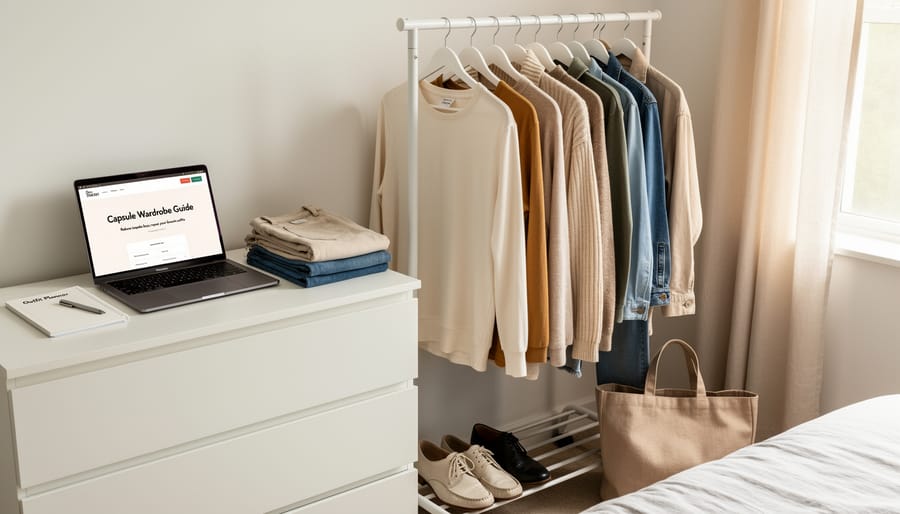
You don’t need a shopping spree to benefit from petite fashion bloggers. I’ve learned that the most valuable lessons come from consistent engagement with free content, not from buying everything I see. The key is approaching blogger content strategically, extracting maximum value while protecting your budget.
Here’s how to get the most from petite fashion bloggers without overspending:
- Start with free content libraries. Most established petite bloggers have years of posts, videos, and guides already published. Spend a month reading through their archives, taking notes on styling principles that apply to your body type and lifestyle. This foundational knowledge costs nothing and prevents impulse purchases later.
- Wait for sales on paid resources. Bloggers typically offer discounts during Black Friday, New Year, or spring cleaning periods. If a styling guide or course interests you, add it to a wishlist and set a price alert. I’ve saved 40-60% by waiting three months for promotional pricing.
- Adapt the high-low approach bloggers demonstrate. When a blogger styles an expensive piece, look for the styling principle rather than the exact item. Learn how they proportion cropped pants or layer blazers, then apply those techniques to budget-friendly alternatives you already own.
- Join free communities first. Many bloggers offer free Facebook groups, Discord channels, or email communities before launching paid memberships. These spaces provide peer advice, fit checks, and petite deals that members share, often rivaling the value of paid access.
- Focus on capsule building, not trend chasing. Use blogger content to identify versatile pieces that work for petite frames, well-fitting jeans, structured blazers, proportionate knitwear. Building slowly around these foundations costs less than constantly buying trendy items that don’t integrate with your existing wardrobe.
Screenshot or save inspiring outfit combinations rather than shopping immediately. I keep a phone folder of blogger looks I love, which helps me spot similar pieces during thrift shopping or clearance sales. This patience transforms inspiration into intentional purchases rather than reactive spending.
The smartest move? Treat blogger recommendations as education in smart shopping habits rather than shopping lists. When a blogger raves about a brand, I’ll research fit and quality, then watch for sales or secondhand options. You’re learning to shop better, not obligating yourself to buy what they feature.
DIY vs Hiring a Pro
When it comes to building your petite wardrobe, you face a choice: learn through blogger content or hire a personal stylist.
Cost: Learning from bloggers costs nothing upfront for free content, or $20-$500 for paid resources and memberships. Professional petite stylists typically charge $200-$500 per session, with package deals ranging from $1,000-$3,000. Over a year, dedicated blogger following might cost $240-$1,200 in resources, while professional styling runs $2,000-$5,000.
Time Investment: Blogger-based learning requires 2-5 hours weekly reading posts, watching videos, and researching recommendations. You’ll spend time understanding shopping cart features and comparing options. Professional styling condenses this into focused 2-3 hour sessions with immediate, personalized direction.
Risk: Self-guided learning involves trial-and-error purchasing mistakes, potentially wasting $300-$800 annually on ill-fitting items. Professionals minimize purchase regret but can’t guarantee you’ll love every recommendation, and their personal taste might not align perfectly with yours.
Quality: Bloggers offer crowd-sourced wisdom from real petite women, diverse price points, and ongoing trend updates. You learn to think critically about how much to spend on different pieces. Stylists provide tailored advice for your specific body and lifestyle but lack the continuous community support that keeps you accountable and inspired long-term.
Common Questions About Petite Fashion Blogger Costs
I’ve spent years watching petite fashion bloggers promote everything from $15 Target finds to $500 designer pieces, and the questions about costs keep popping up in my inbox. Here’s what you really need to know about the money side of following petite fashion bloggers.
Are styling services from petite fashion bloggers worth the investment?
It depends on your wardrobe struggles and budget. If you constantly buy clothes that don’t work or feel lost styling your petite frame, a one-time consultation can prevent hundreds in future mistakes. However, if you’re already comfortable with basics and just need occasional inspiration, free content usually suffices.
How much should I realistically budget monthly for following petite fashion bloggers?
Most readers spend between $0 and $50 monthly, with the money going toward occasional purchases inspired by blogger content rather than paid resources. Start with free content for three months to see which bloggers genuinely influence your style before budgeting anything beyond normal clothing expenses.
Can I actually follow petite fashion bloggers on a zero-dollar budget?
Absolutely. The vast majority of petite fashion blogger content is free: Instagram posts, blog articles, YouTube videos, and Pinterest boards cost nothing but your time. You can learn styling techniques, proportion tricks, and brand recommendations without spending a cent on resources or implementing every look you see.
Do I need to buy everything a blogger features to benefit from their content?
Not even close. Treat blogger content as a styling education rather than a shopping list. Focus on learning the proportion principles, outfit formulas, and fit guidance they share, then apply those concepts to clothes you already own or budget-friendly alternatives that work for your lifestyle.
How do I avoid overspending on trends that petite bloggers promote?
Ask yourself three questions before buying: Does this fit my actual lifestyle? Will I wear it with at least three items I already own? Would I buy this if I hadn’t seen it on a blogger? If you can’t answer yes to all three, skip it regardless of how cute it looked on Instagram.
The biggest misconception I see is that you need to match a blogger’s wardrobe to benefit from their expertise. You don’t. What you’re really paying for, whether with money or just attention, is education about what works for petite proportions. That knowledge transfers to any budget level.
One question that doesn’t get asked enough: how do I know if I’m spending too much because of blogger influence? Track your clothing purchases for two months and note which ones were directly inspired by blogger content. If more than half your purchases come from blogger posts and you’re exceeding your normal clothing budget, you’ve crossed from inspired shopping into influenced overspending. The solution isn’t to stop following bloggers but to add a waiting period between seeing something featured and actually buying it.
The beauty of following petite fashion bloggers is that you get to decide exactly how much you invest. You can build an incredible wardrobe and develop serious styling confidence without spending a penny beyond your regular clothing budget, just by soaking up free content, joining supportive communities, and learning from people who truly understand your proportions.
Start where you are. Follow a few bloggers whose style resonates with you, browse their archives, save looks that inspire you, and implement one tip at a time. Maybe that’s learning how to cuff your jeans properly or discovering which rise works best for your torso length. Those small wins build momentum.
If you find certain bloggers consistently saving you from costly mistakes or helping you shop smarter, then investing in their paid resources often pays for itself in avoided returns and fewer impulse purchases gathering dust in your closet. But there’s zero pressure to spend beyond what feels right for your budget and goals.
What matters most isn’t how much you spend following petite fashion bloggers, it’s the confidence you gain from finally seeing style advice that actually works for your body. That confidence comes from knowledge, not your credit card. The petite fashion community celebrates resourcefulness and creativity as much as any designer label, and that’s what makes this space so empowering. You belong here, regardless of your budget.