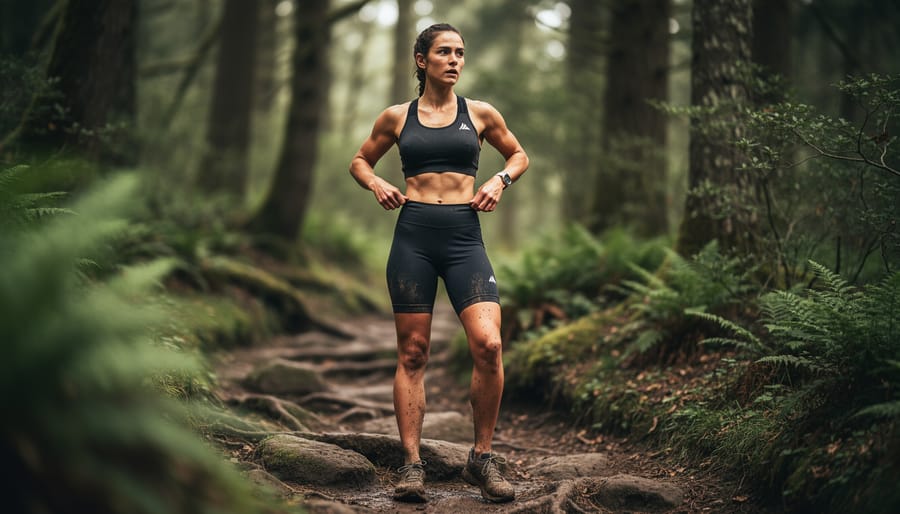
Trail running apparel isn’t just about looking cute on the trails. I learned this the hard way during my first mountain run when my regular workout clothes left me chafed, overheated, and seriously regretting my choices. The right gear makes the difference between a miserable slog and an empowering adventure, especially when you’re navigating rocky terrain, unpredictable weather, and the unique challenge of finding athletic wear that actually fits petite frames.
The trail running apparel market has exploded in 2026, but here’s what most brands won’t tell you: their “small” sizes are designed for average-height women, leaving those of us under 5’4″ swimming in excess fabric or dealing with awkward proportions. I’ve spent the last two years testing dozens of brands and talking to petite trail runners to figure out what actually works.
Research shows that proper trail running gear reduces injury risk and improves performance, but only if it fits correctly. Loose sleeves catch on branches, baggy shorts cause thigh chafing, and ill-fitting shoes create blisters that end your run early. For petite women, standard athletic sizing creates safety issues too, like long pant legs that bunch around ankles and increase tripping hazards.
This guide cuts through the marketing noise to help you build a functional trail running wardrobe without draining your bank account. Whether you’re hitting local paths for the first time or upgrading worn-out favorites, you’ll find practical advice on what to prioritize, which budget-friendly brands offer true petite sizing, and how to make smart compromises when perfect fits don’t exist.
Why Trail Running Apparel Is Different (And Why It Matters for Petite Bodies)
I learned this lesson the hard way on a muddy spring trail run when my regular running tights kept sliding down with every uphill stride. The waistband, designed for someone at least four inches taller, sat too high on my torso and had nowhere to grip. By mile three, I was yanking them up every few minutes instead of focusing on the rocky terrain ahead. That’s when I realized trail running demands different apparel than road running, and standard sizing makes those differences even more pronounced for petite bodies.
Trail running gear faces challenges your neighborhood loop never throws at it. You’re brushing against vegetation that can tear fabric, getting mud splattered up to your knees, and dealing with rapid temperature swings as you climb into shade or break into exposed sun. The moisture management requirements go beyond basic sweat-wicking. Your clothes need to handle creek crossings, unexpected rain, and the kind of sustained dampness that comes from hours in the backcountry. According to current 2026 reviews of trail gear moisture handling fabrics must balance breathability with durability in ways road running shirts never need to consider.
Storage becomes critical on trails where you can’t loop back to your car every few miles. You need pockets that actually hold your phone, energy gels, and maybe a lightweight shell without bouncing. But here’s where petite sizing falls apart: those zippered chest pockets land at your collarbone instead of your chest. Hip belt pockets sit halfway down your thighs. The proportions are off because most trail running apparel assumes a torso length and arm span we simply don’t have.
Weather protection matters more when you’re miles from shelter. A wind shell or rain jacket designed for a 5’8″ frame will have sleeves that bunch at your wrists, restricting movement when you need to grab a handhold or check your watch. The hem hangs low enough to catch on your hydration pack. These aren’t minor annoyances. They’re safety issues when you’re navigating technical terrain and need full range of motion and complete awareness of your body position.
Essential Trail Running Apparel Pieces for Your Petite Frame

Technical Trail Running Tops
Finding a trail running top that actually fits my 5’2″ frame changed everything about my runs. The first shirt I bought was a standard small, and the sleeves hung past my wrists while the hem hit mid-thigh, bunching awkwardly around my waist pack. I spent more time adjusting fabric than focusing on the trail.
Moisture-wicking is non-negotiable for trail running, cotton stays soaked and causes chafing when you’re out for hours. Look for polyester blends or merino wool that pull sweat away from your skin. The difference matters more on trails than roads because you’re moving through varied terrain and temperatures, often starting cold in the shade and heating up on exposed climbs.
For petite women, the fit details separate usable tops from wardrobe mistakes. Check that shoulder seams hit your actual shoulders, not halfway down your arms. Sleeves on long-sleeve options should end at your wrists, not cover your hands. The hem should sit at your hips, not your thighs. If you size down to fix length, make sure you still have range of motion for scrambling over rocks.
Brands like Janji, Rabbit, and Tracksmith offer cropped or shorter-length options that work better for smaller frames. Some brands now include specific petite sizing in their trail lines. Try tops on with your running pack to ensure they don’t bunch or ride up under the straps, that’s where most fit issues show up on the trail, not in the fitting room.
Trail Running Shorts and Tights
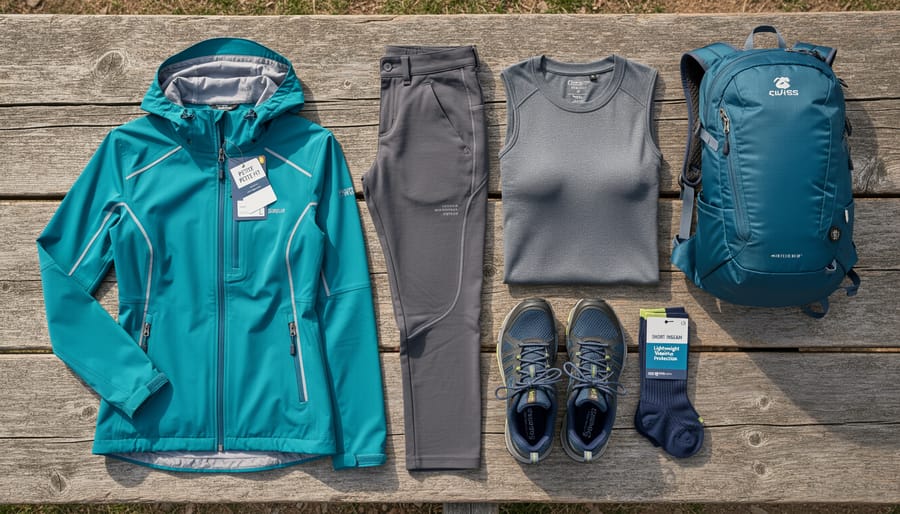
Finding shorts and tights that actually fit a petite frame can feel like searching for trail magic. The difference between a three-inch and five-inch inseam is massive when you’re five-foot-two, those extra two inches hit mid-thigh instead of upper thigh, changing how the fabric moves and where it rubs during long runs.
For shorts, look for inseams between two and four inches. Brands designed for taller women often start at five inches, which can bunch awkwardly or ride up on shorter legs. Built-in liners matter too: poorly fitted liners cause more chafing than going commando. I learned this the hard way on a humid trail run that left me with inner-thigh rawness for days.
Tights present their own challenges. Full-length versions designed for average heights pool at the ankles, creating bulk that catches on rocks and roots. Cropped styles often work better, hitting right at the calf without bunching. Pay attention to rise as well, high-waisted options designed for taller torsos can sit uncomfortably high on petite bodies, while low-rise styles may gap at the back when you’re scrambling uphill.
Storage pockets are non-negotiable on trails. Look for shorts with at least two secure pockets that can hold your phone, gels, or keys without bouncing. Compression features help with muscle support on technical descents, but make sure the compression zones align with your actual leg length rather than sitting too low.
Weather-Protective Layers
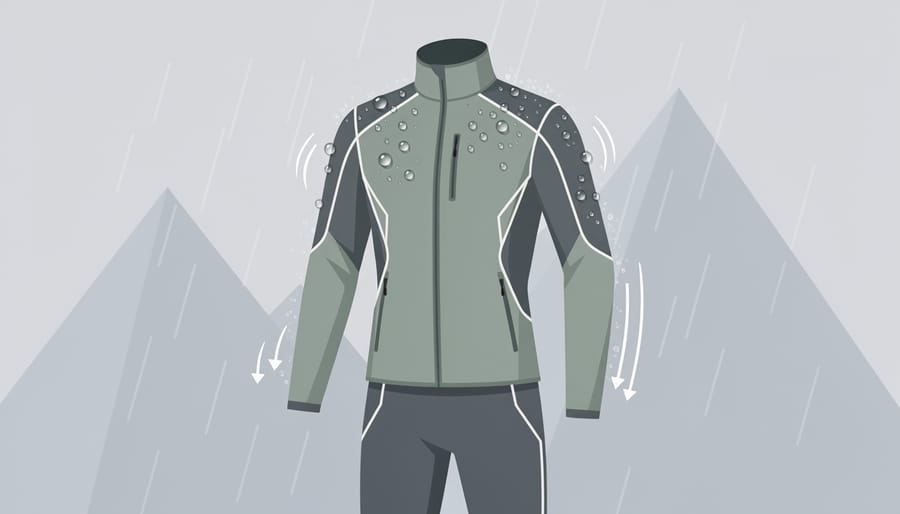
Weather can turn on you fast when you’re miles from the trailhead, and that’s where protective layers earn their keep. The challenge for petite runners is finding jackets and shells that shield you from wind and rain without the sleeves hanging past your fingertips or the hem hitting mid-thigh like a dress.
Look for wind shells with adjustable cuffs and hems. A good shell should stop cold gusts without adding bulk, which matters more when you’re already working with a smaller frame. I learned this the hard way when my first shell ballooned around me like a parachute, catching wind instead of blocking it. Check for chest pockets that sit above your sternum, not at your waist, and armholes that don’t gap.
Rain jackets are trickier because waterproof fabrics tend to be stiffer. Prioritize packability so you can stash it when the sun comes back out. Pit zips help regulate temperature without removing the whole jacket, which is crucial when you’re generating heat on climbs.
For insulation pieces, lightweight synthetic or down vests work better than full jackets for petite bodies. They add warmth at your core without restricting arm movement or adding length you don’t need. According to updated 2026 gear reviews from sources like Outdoor Gear Lab, brands are finally offering more cropped cuts and adjustable features that accommodate smaller proportions without sacrificing weather protection.
Accessories That Make the Difference
Most runners think accessories are afterthoughts, but I learned the hard way that a too-large hat slipping over my eyes mid-descent or bunched-up socks can derail a run faster than questionable gear choices elsewhere.
Trail running socks deserve serious attention. Merino wool blends work across seasons, managing moisture without the stink of synthetics, while proper cushioning under the ball of your foot matters more on rocky terrain than road running. Look for socks that fit snugly without excess fabric bunching in your shoes, which causes blisters on technical descents. Women’s-specific sizing usually works better for petite feet than unisex options.
Hats protect you from sun exposure on exposed ridge lines and keep sweat from blinding you on climbs. Baseball-style caps designed for smaller head circumferences (54-56 cm instead of standard 57-59 cm) actually stay put when you’re moving fast. The same principles from accessory sizing tips apply here: proper fit transforms performance.
Gaiters keep trail debris out of your shoes on dusty or muddy trails. Low-profile versions work better for petite ankles than bulky models that slide down constantly. Similarly, gloves for cool morning starts need fingers that don’t extend past yours, which affects grip and dexterity on technical sections.
These details matter because finding petite accessories that fit properly means you can focus on the trail instead of adjusting your gear every mile.
Fabrics and Features That Work Best on the Trail
When you’re scrambling over rocky terrain or pushing through a humid forest, the fabric against your skin isn’t just about comfort, it’s about performance and safety. I learned this the hard way during a summer trail run when my cotton blend tank turned into a sopping, chafe-inducing disaster by mile three.
Merino wool has become my go-to for longer trail runs, especially in unpredictable weather. It naturally regulates temperature, resists odor even after multiple wears, and continues wicking moisture when wet, unlike many synthetics. The downside? It’s pricier and less durable against abrasion from pack straps or branches. For petite women, merino’s natural drape often means better fit without the stiff, boxy feel of some technical fabrics.
Synthetic fabrics like polyester and nylon dominate the trail running market for good reason. They’re lightweight, dry quickly, and hold up better to repeated washing and trail abuse. Modern synthetics have improved dramatically in odor control, though they still can’t match merino’s natural antimicrobial properties. Blends combining merino and synthetics offer a middle ground, durability where you need it with some of wool’s comfort benefits.
- UPF (Ultraviolet Protection Factor)
- A rating system measuring how much UV radiation penetrates fabric. UPF 50 blocks 98% of UV rays, making it worthwhile for long sun-exposed trail runs.
- Moisture-wicking
- The fabric’s ability to pull sweat away from your skin to the outer surface where it evaporates. Essential for preventing chafing and maintaining body temperature.
- Four-way stretch
- Fabric that stretches both horizontally and vertically, allowing full range of motion without restriction. Critical for climbing steep trails or navigating technical terrain.
- DWR (Durable Water Repellent)
- A coating that causes water to bead and roll off fabric rather than soaking in. Needs reapplication over time but extends the life of weather-protective layers.
Here’s what’s actually worth paying for: UPF protection matters if you’re running exposed trails regularly, especially at elevation. Flatlock seams prevent chafing better than standard seams and are genuinely worth seeking out in tops and tights. Odor-resistant treatments vary wildly, some wash out after a few cycles, making them marketing fluff rather than long-term value.
What you can skip: excessive pocket configurations you’ll never use, proprietary fabric names that are just rebranded polyester, and aggressive compression unless you specifically want that feel. Focus your budget on fabrics that perform the basics well rather than chasing every feature claim on the tag.
Finding Budget-Friendly Trail Running Apparel in 2026
You don’t need to drop hundreds of dollars to build a functional trail running wardrobe. I learned this after overspending on my first few pieces, gear that looked impressive but didn’t actually perform better than mid-range alternatives.
Start by identifying where to invest and where to save. Splurge on items that directly impact safety and performance: a quality rain jacket (you’ll wear it for years), well-fitting tights with secure pockets, and one or two technical tops that layer well. Save on basics like short-sleeve shirts, accessories, and backup pieces you’ll rotate through less frequently.
The smartest strategy is shopping off-season. Trail running apparel goes on deep discount in late summer and early winter when retailers clear inventory. Mark your calendar for post-event sales around major running events scheduled for July and August 2026. These typically coincide with end-of-season clearances, just like the approach I use for finding petite fall trends at reduced prices.
Newsletter sign-ups unlock exclusive access at many specialty brands. Satisfy offers early access to limited drops through their email list, which matters when popular items sell out fast in petite sizes. Similarly, I’ve discovered that the same techniques for finding budget-friendly picks apply to athletic apparel, signing up for retailer alerts means you’ll catch flash sales before items disappear.
Watch for retailer events in your area throughout spring and summer. Running Room has scheduled multiple events through August 2026, and local running shops often offer participant discounts during these periods. Timing matters with smart shopping deals buying next season’s gear at the end of the current season saves 30-50% without sacrificing quality.
Buy versatile pieces that work across seasons rather than accumulating specialized items you’ll rarely wear.
How to Know If Trail Running Apparel Actually Fits Your Petite Body
I spent months thinking my trail running tops were supposed to feel baggy until a friend pointed out that the shoulder seams were literally hanging off my arms. That day changed everything about how I evaluate fit.
Standard size charts tell you to measure your bust and hips, but they don’t explain what properly fitted trail running apparel actually looks like on a petite frame. Here’s what I’ve learned from trying dozens of brands and becoming more vocal about what works.
Shoulder seams should sit right at the edge of your shoulder, not drooping down your upper arm. If they’re too far out, the entire garment shifts and rides up when you move, creating friction points you’ll feel after mile three. I’ve returned XS tops from major brands where the shoulders were still two inches too wide for my 5’2″ frame.
Hem lengths matter more on the trail than on the road. Running tops should hit at your natural hip or just below. If they hang past your bottom, they’ll bunch up under your hydration vest or race belt. For jackets and wind shells, check that the hem doesn’t extend so far that it interferes with short pockets or vest straps.
Sleeve proportions are my personal fit dealbreaker. Long sleeves should end at your wrist bone when your arms are relaxed at your sides, not cover half your hand. Push the sleeves up during a run, and they should stay put without constant readjusting. I’ve found that brands offering true petite sizing get this right consistently, while standard XS often leaves me swimming in fabric.
For bottoms, rise is everything. The waistband should sit comfortably at your natural waist without gapping in back when you bend forward. Trail running tights and shorts take more abuse than road gear, so a proper rise prevents sliding and the need to constantly hitch them up on technical terrain. The inseam should be proportional: if 5-inch shorts hit you mid-thigh instead of higher, size down or find a petite cut.
Here’s my quick checklist for assessing fit in the dressing room or immediately after unboxing:
- Can you raise your arms overhead without the hem riding up to expose your midriff?
- Do the armholes feel snug without cutting in when you swing your arms?
- Can you bend, squat, and lunge without fabric pulling or gapping?
- Are zippers and pockets accessible without contorting your body to reach them?
- Does the garment stay in place when you jog in place for 30 seconds?
I’ve gotten comfortable emailing brands directly when their petite sizing is inconsistent or nonexistent. In 2026, enough of us are asking for properly proportioned trail running apparel that companies are starting to listen. You’re not being difficult by expecting gear that actually fits your body. You’re being smart, because properly fitted apparel directly impacts your comfort and performance on the trail.
Trust what your body tells you during that first test run. If you’re tugging, adjusting, or thinking about your clothes instead of the trail ahead, the fit isn’t right, regardless of what the size tag says.
What I Wish I’d Known Before Buying My First Trail Running Outfit
My first trail running outfit was a disaster, and I wish someone had told me it was okay to learn through trial and error.
I bought everything one size too big because I’d internalized this idea that athletic clothes “run small” and I needed room to move. That oversized top chafed in places I didn’t know could chafe, and the shorts rode up with every uphill stride. I spent more time yanking fabric into place than actually enjoying the trail. What I needed was gear that fit my actual measurements, not what I assumed athletic sizing would be.
I also made the classic mistake of wearing brand-new everything on a long run. New socks gave me blisters within the first mile. The sports bra, which felt fine in the store, dug into my ribs after an hour on uneven terrain. Now I test everything on short runs first, ideally multiple times, before committing to a longer adventure.
The biggest lesson? I thought I had to buy a complete outfit all at once, which meant I overspent on pieces I didn’t need yet and skimped on the things that actually mattered. I bought a lightweight wind shell when what I really needed was better shorts with pockets. I wish I’d started with just the essentials and added pieces as I learned what my body needed on the trails.
Here’s what would’ve saved me money and frustration: borrow or rent gear for your first few runs if possible. Join a local running group where people share recommendations for petite-friendly brands. Pay attention to how your body feels during and after runs, not just how the gear looks. And remember that even experienced trail runners buy things that don’t work out. The community aspect of trail running means you’re not figuring this out alone.
Finding trail running apparel that actually fits your petite frame shouldn’t feel like a victory lap, but I know it often does. We’re working with an industry that’s historically designed for average-height bodies, and mainstream athletic brands have been slow to acknowledge that petite women need more than just shrunken versions of standard sizing. But here’s what keeps me optimistic: the trail running community is genuinely growing and becoming more inclusive in 2026, and brands are starting to listen.
The right apparel changes everything. When your shorts don’t ride up, your sleeves hit at the right spot, and your jacket doesn’t swallow your hands, you can focus on the trail instead of constant adjustments. That freedom matters for performance, sure, but it matters even more for enjoyment. You deserve gear that works as hard as you do.
I’ve learned that prioritizing fit and function over brand hype or trendy colors makes all the difference. Take your time finding pieces that truly work for your body. Try things on if you can, read reviews from other petite runners, and don’t settle for “good enough” when proper fit is possible. The trails are waiting, and you belong there just as much as anyone else.