
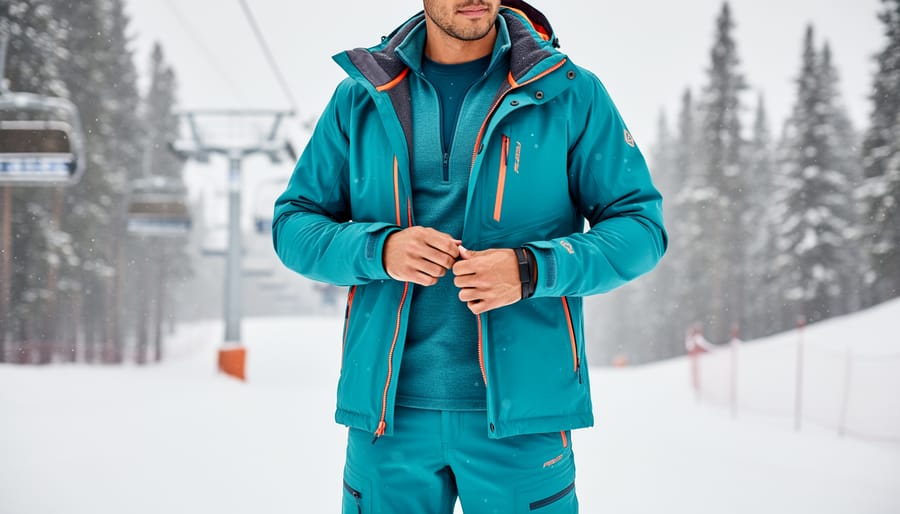
The best solo ski apparel setup starts with three layers: a base layer that moves sweat away from your skin, a midlayer for warmth, and a waterproof jacket and pants to block wind and snow. Pick the outer layers to match your day, and you’ll stay comfortable from the first chairlift to the last run.
In the interest of transparency, we earn a commission on some purchases made through links on this site. As an Amazon Associate I earn from qualifying purchases.
If you landed here searching “solo ski apparel,” you might be hunting for the Solo Apparel brand, or you might simply want help deciding what to wear skiing. This guide covers both. I’ll show you how to choose, then walk through eight options, including the TELALEO Men’s Thermal Underwear Sets Long Sleeve Compression Shirts the MAGCOMSEN Men’s Puffer Jacket Winter Warm Lightweight Coats and the Custom Men’s 3-in-1 Jacket.
The big decision is your jacket. An insulated jacket has warmth built in, so it suits cold, steady days and anyone who runs chilly. A shell blocks wind and water but has no insulation, which makes it great for changing weather and riders who run hot. A 3-in-1 gives you a shell plus a removable liner, so one purchase covers both.
I’m petite, and I know how easily oversized gear turns a ski day into a bundled-up struggle. So we’ll keep fit and layering front and center, with budget-friendly thinking all the way through.
What Solo Ski Apparel Really Means (and Why It’s Trending)
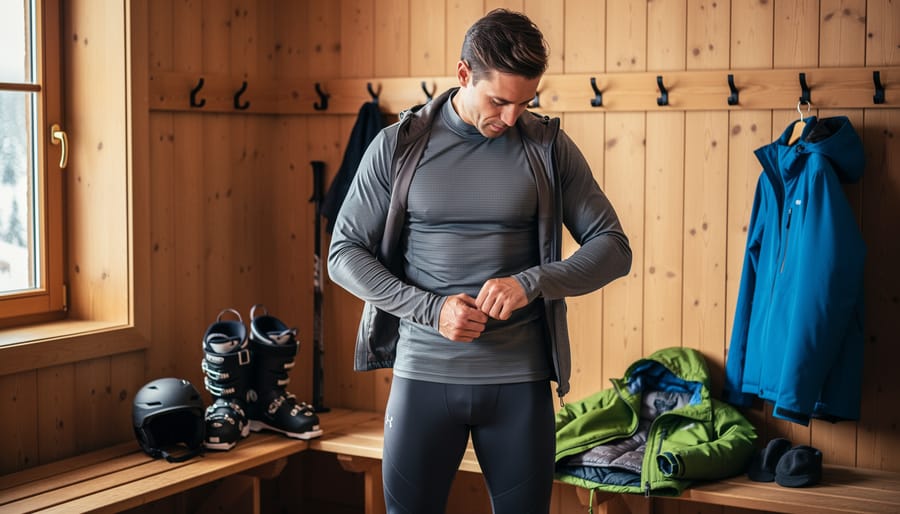
If you’ve typed “solo ski apparel” into a search bar lately, you’re not alone. It’s a pretty new phrase, and it seems to pull double duty. Some people are looking for the Solo Apparel brand itself, while others just want to know what to wear when they hit the mountain on their own. Both are totally valid, so let’s cover both.
On the brand side, here’s what the Solo Apparel site shows. Canada is listed as a selectable country or region in its localization menu, which is handy if you’re shopping from north of the border. The site also advertises “Free US Shipping over 250$” and lists its next restock as November 27th at 12:00PM EST. I’m sharing those exactly as the site presents them, so please double-check availability, shipping terms, and timing directly with the retailer before you plan around them. Details like these can change, and I’d hate for you to count on something that has moved.
On the “dressing smartly for a solo day” side, I think the trend makes a lot of sense. When you’re out on your own, you want to feel comfortable and prepared without hauling extra gear. The good news is you don’t need to overthink it. Start with three layers, then match your outer layers to the day. If you want a refresher on how to shop with a plan, these buying guide tips are a friendly place to begin, since the same research-first mindset applies to ski gear too.
Think of it this way: the phrase is still taking shape, which means there’s room to shop on your own terms. You get to decide what keeps you cozy, confident, and ready for the lift line.
Key Buying Factors: Fit, Layering, Warmth, and Weather Protection
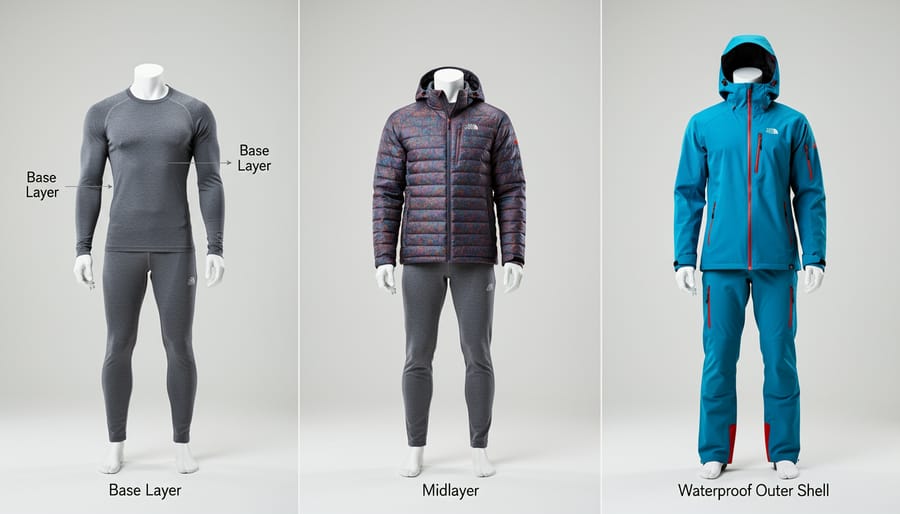
Start With the Three-Layer Foundation
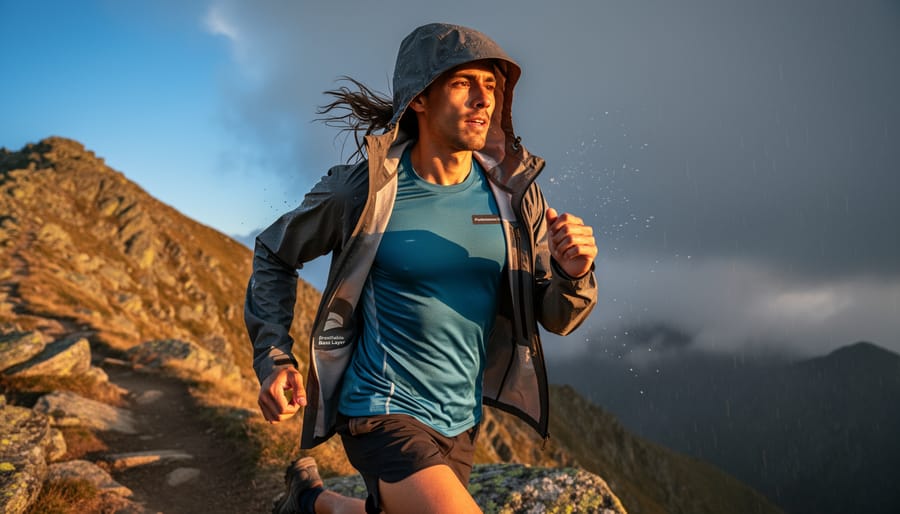
Think of your ski outfit as a little system that you build from the inside out. Once the layers closest to your skin are sorted, choosing the outer pieces gets so much easier. If you want a refresher on the petite layering basics that’s a great place to start, since the same logic carries over to the slopes.
Here’s how the three layers break down:
– Base layer: This sits against your skin and moves sweat away so you don’t get damp and chilly. Think of it as your comfort foundation.
– Midlayer: This one is all about warmth. It traps heat around your body, and you can add or swap it depending on how cold the day feels.
– Outer layer: A waterproof jacket and pants protect you from wind and snow, which are the two things that can end a ski day fast.
Why does the order matter? When your base and midlayer are doing their jobs, you know exactly what your jacket needs to handle. A shell only has to block wind and water, so the layers underneath set your warmth. An insulated jacket brings its own warmth. You’re no longer guessing, just matching the outside to the day. I learned this the hard way after buying a jacket first and building everything around it. Starting from the inside saved me so much second-guessing.
Fit Tips for Petite Frames Shopping Men’s and Unisex Styles
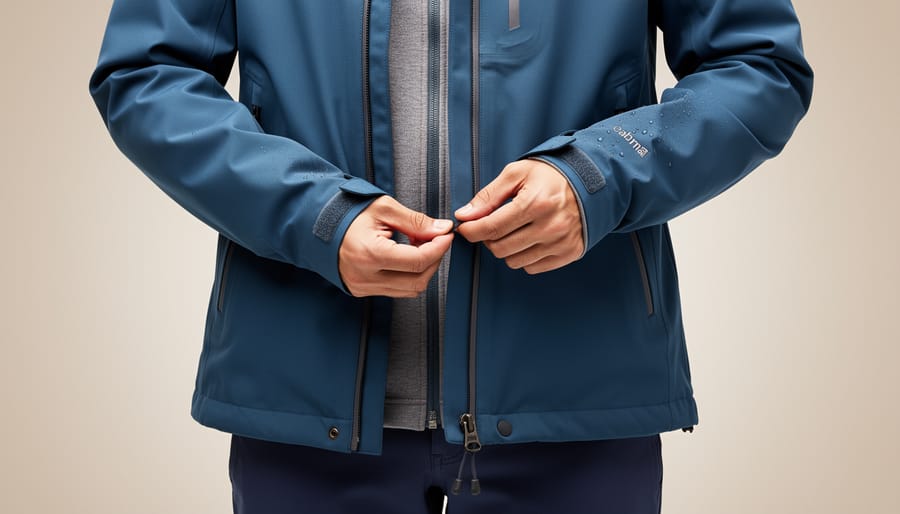
Here’s the thing about the jackets in this guide: they’re listed as men’s or unisex, and that’s actually good news for petite shoppers. Roomier cuts often layer over a base and midlayer without feeling tight. The catch is proportion, so a little checking goes a long way.
Start with the sleeves. Put your arms out in front of you and see whether the cuff covers your wrist or swallows your hand. Adjustable cuffs help, and so do thumb-friendly gloves that overlap the sleeve. Next, check the hem. A jacket that hits mid-thigh can look boxy on a shorter frame, so many petite skiers like a hem that skims the hip.
Sizing varies by brand, so don’t get hung up on the letter on the tag. Compare the size chart measurements, and try the next size down if shoulders and chest still fit comfortably over your layers. If a sleeve runs long, a quick hem at a local tailor is a simple fix, and my favorite petite fit tips can help you decide what’s worth altering. If you’re shopping petite on a budget a small tailoring tweak often beats buying a new jacket.
Insulated, Shell, or 3-in-1? Types of Ski Jackets Compared
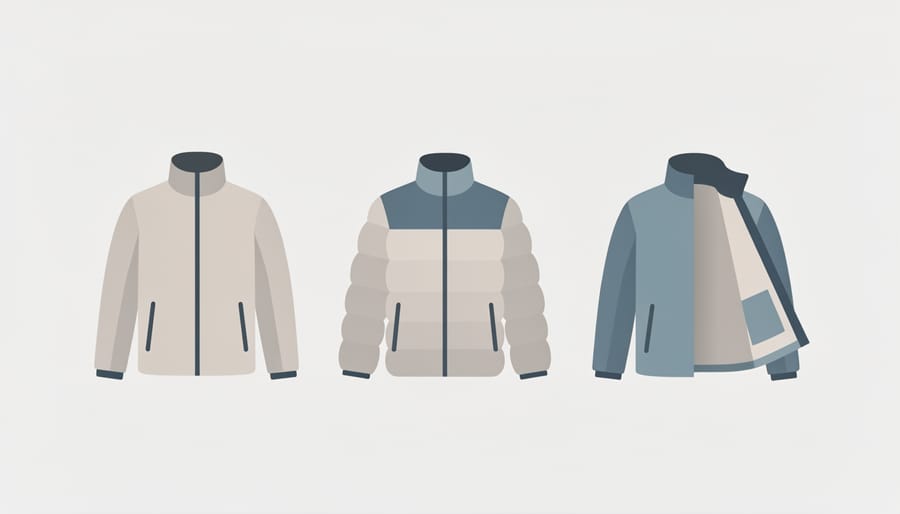
Once you’ve nailed your three-layer foundation, the next big choice is the jacket itself. There are three main types, and each one handles warmth a little differently. Here’s how they stack up.
| Jacket type | How it works | Best conditions | Runs hot or cool? | Layering notes |
|---|---|---|---|---|
| Insulated jacket | Warmth is built right in | Cold, steady days | Riders who run cool | Needs less midlayer help, so a base layer is often enough |
| Shell jacket | Blocks wind and water, but has no insulation | Changing weather | Riders who run hot | Your layers underneath set the warmth, so you can dial it up or down |
| 3-in-1 jacket | A shell plus a removable liner | Mixed conditions and shifting temps | Works for either, since you choose the setup | Wear the shell alone, or zip the liner in for extra warmth |
An insulated jacket is the simplest option. The warmth is already built in, so it suits cold, steady days and anyone who tends to feel chilly. Of our picks below, the MAGCOMSEN puffer and the hooded, fleece-lined winter jacket fit this category best.
A shell jacket blocks wind and water but has no insulation of its own. That means the layers underneath decide how warm you are. It’s a great match for changing weather and for riders who run hot, because you can swap layers as the day goes on.
A 3-in-1 jacket combines a shell with a removable liner, so one purchase gives you a few different setups. The Custom Men’s 3-in-1 Jacket is our pick here. The GSOU SNOW relaxed-fit jacket is another one to look at if you want a roomier cut over your layers.
I learned which type suits me the hard way. My first ski day, I wore a heavy insulated jacket over a thick midlayer and spent the afternoon overheated, unzipping everything just to cool off. The next trip, I tried a shell with a lighter midlayer, and I could adjust as the sun came and went. I’m someone who runs warm, so that flexibility felt like a game-changer. Your body might tell a different story, and that’s completely okay.
The right answer depends on how you run, the weather you usually ski in, and how much you like fiddling with layers. There’s no single winner here, just the best fit for your day.
Our Base Layer Picks: Thermal Sets and Merino Wool
Before we get to the products, let’s talk about the layer that quietly does the most work: your base layer. Its main job is to move sweat away from your skin so you stay dry, and staying dry is what keeps you warm. Start here, and the rest of your outfit gets easier to choose.
You’ll see two main types in the picks ahead. Thermal synthetic sets are snug, stretchy, and built to wick moisture, which makes them a friendly, budget-conscious starting point. Merino wool is a natural fiber that many skiers like next to the skin, since it feels soft and handles a long day on the hill well. Neither is the “right” answer for everyone. It comes down to how warm you run and what feels comfortable on you.
Next up are five base layer sets, shown in the order they appear across this guide, so you can compare them side by side.
TELALEO Men’s Thermal Underwear Sets Long Sleeve Compression Shirts: Snug Base Layer Option

If you like a close-to-the-skin feel, the TELALEO Men’s Thermal Underwear Sets Long Sleeve Compression Shirts are worth a look. This set is rated 4.5 out of 5 from 579 customer ratings and is in stock right now, which gives me a little extra confidence recommending it.
A snug base layer does its job quietly. Because it sits flat against your skin, it moves sweat away without adding bulk, so your midlayer and jacket slide over it easily. That matters most on petite frames, where extra fabric under a jacket can make sleeves feel cramped.
Sizing is where I’d slow down. This is a men’s listing, so check the brand’s size chart and compare it with your own measurements instead of relying on the letter size. Compression fits can run tight on petite shoulders and long in the torso, so consider your usual size first and read recent reviews for fit comments. If you’re between sizes, think about how much stretch feels comfortable for a full day of skiing.
Then think about the day’s weather. A compression set is a base layer, not a warmth powerhouse on its own. On colder days, pair it with a warm midlayer, and on milder days it may be all you need under a shell. Matching warmth to the forecast is the key step.
MAGCOMSEN Men’s Puffer Jacket Winter Warm Lightweight Coats: Insulated Option for Cold Days

The MAGCOMSEN puffer is the insulated option in this lineup. It’s rated 4.2 out of 5 from 951 customer ratings, and it’s in stock right now. Think of it as the “built-in warmth” choice: the insulation is part of the jacket, so you’re not relying on extra pieces to stay cozy. That’s why this jacket type tends to suit cold, steady days and anyone who runs cool.
I like pairing a puffer like this with a snug base layer underneath. The base layer moves sweat away from your skin, and the puffer holds the heat. Because the listing calls it lightweight, it shouldn’t feel like you’re wearing a sleeping bag, which makes it easier to move around when you’re gearing up or riding the lift. The listing also describes it as waterproof and windproof, but I’d still check the details before a storm day.
For petite readers, this is a men’s listing, so fit deserves a closer look. Check the sleeve length first, since cuffs that swallow your hands get annoying fast. Then look at the hem, because a long one can bunch up under a harness or backpack. If you’re between sizes, think about how many layers you’ll wear underneath.
Custom Men’s 3-in-1 Jacket: Flexible for Changing Weather

A 3-in-1 jacket is a shell plus a removable liner, and that’s the whole appeal. On a milder day, wear the shell on its own over your base layer. When the temperature drops, zip in the liner for extra warmth. One jacket, a few different ways to wear it.
The Custom Men’s 3-in-1 Jacket, Winter Fleece Jacket And Waterproof Windproof Outdoor Sports Jacket is in stock and carries a 5 out of 5 rating. Here’s the catch, though: that score comes from just 1 customer rating. I’d treat it as a friendly nod rather than proof, and I’d read whatever reviews are available before you commit.
This setup may suit you if your mountain days swing from sunny mornings to snowy afternoons, or if you like having options without carrying a bag of extra layers. It’s a smart middle ground between a heavy insulated jacket and a bare shell.
Since this is a men’s listing, check the sleeve and hem length and see how the jacket sits with the liner zipped in. Layers add bulk, and a little extra room is worth planning for.
GSOU SNOW Mens Womens Snowboard Jacket Baggy Ski Jacket Hoodie: Relaxed-Fit Pick

If you like room to move, the GSOU SNOW Snowboard Jacket is a fun one to look at. It’s a baggy, hooded ski jacket listed for both men and women, rated 4.4 out of 5 from 162 customer ratings, and it was in stock at the time of research.
A roomier cut has a real perk when you’re layering. There’s space for a base layer and a midlayer underneath without that stuffed-sausage feeling, and you can move your arms freely. Since Christy Sports suggests starting with three layers and matching your outer layer to the day, a relaxed jacket makes that easy.
Baggy styles can swallow petite frames, though, so here’s how I’d handle it:
– Check the sleeve length first. Cuffs that hang past your knuckles can be pushed up or snugged with an adjustable cuff.
– Look at where the hem lands. A longer jacket over a snug base layer can feel cozy, but you may prefer it sitting closer to your hip.
– Consider sizing down, since the cut is already generous.
I like that this fit celebrates comfort rather than squeezing into a shape. Wear it slouchy, cinch what you can, and enjoy the slopes in a jacket that lets you move.
Mens Winter Jacket: Hooded, Fleece-Lined Option With Limited Stock

This hooded, fleece-lined jacket earns a 4.3 out of 5 from 78 customer ratings, which is a solid showing for a smaller-volume listing. Its fleece lining is the main warmth source, so it sits in the insulated category: built-in warmth that suits cold, steady days and riders who run cool. If you’re always the first one reaching for a blanket, that lining may feel like a welcome hug on the lift.
Because the warmth is already built in, you can keep your base layer simple and skip a bulky midlayer on milder cold days. For petite frames, check the sleeve and hem length before you commit, since men’s cuts can run long. Adjustable cuffs and a hem you can cinch help keep the fit tidy.
One thing to know: at the time of research, only 3 were left in stock. Availability changes quickly, so confirm what’s on the shelf before you plan around it. It’s a good moment to shop smart online checking size charts and recent reviews first so you’re not scrambling if your size disappears.
CL convallaria Thermal Underwear: Crowd-Favorite Base Layer Set

The CL convallaria Thermal Underwear for Men Long Johns Set earns its spot in this guide for one big reason: the crowd behind it. It’s rated 4.5 out of 5 from 10,219 customer ratings, the largest rating count of any pick on this list, and it’s in stock.
Why does that matter? A rating built on thousands of voices tells you more than one built on a handful. It doesn’t guarantee a perfect fit for your body, but it does suggest the set holds up for a lot of people, which is a nice confidence boost when you’re shopping online.
Here’s how I’d approach sizing as a petite shopper. Your base layer should sit smooth against your skin without squeezing or bunching, because anything loose will wrinkle under ski pants and rub when you move. Check the long johns’ inseam and waist against your measurements first, then think about whether you’ll be wearing a midlayer on top. If you’re between sizes, the snugger one usually wins for base layers.
Not sure how to weigh ratings, sizing, and warmth together? This is a good moment to choose for your needs rather than chase the crowd, because your comfort on the slopes is what counts most.
Merino.tech 100% Merino Wool Base Layer Men Set Shirt: Natural Fiber Pick

Wool next to your skin might sound itchy, but fine merino is a different story, and plenty of skiers swear by it. The Merino.tech 100% Merino Wool Base Layer Set comes with a shirt, long johns, and socks, and it’s rated 4.5 out of 5 from 3,402 customer ratings. It’s in stock at the time of research, though it’s smart to check current availability before you order.
Here’s why people like it. A base layer’s whole job is moving sweat away from your skin, and wool is a natural fiber that’s known for staying comfortable when you warm up on a run and cool down on the lift. That makes it a good fit for the first step of the three-layer system, with your midlayer and waterproof jacket layered on top.
The matching socks are a handy bonus, since you get a head-to-toe base layer in one purchase instead of hunting for pieces that coordinate. Because this is a men’s listing, I’d lean toward the smaller end of your size range for a close, smooth fit under ski pants, and then check the sleeve and hem length on your own frame.
Thermal Underwear for Men Long Johns Set Winter Base Layer Top and: Simple Everyday Set

Sometimes the simplest piece on the list is the one you’ll reach for most. This base layer top and bottom set is exactly that: a straightforward pair of long johns and a matching top, with no fancy extras to think about. It’s rated 4 out of 5 from 17 customer ratings, and it’s in stock.
That rating is a nice, solid number, but 17 ratings is a much smaller pool than you’ll see on some of the other sets here. I’d treat it as a good sign rather than a guarantee. Before you buy, take a few minutes to read the most recent reviews and look for comments about sizing and how the fabric feels against the skin. Those details matter more than the star count.
Where does a set like this fit? It’s the first step in the three-layer plan: the base layer that moves sweat away from your skin. From there, you add a midlayer for warmth and a waterproof jacket and pants on top. A plain set like this keeps that first step easy and gives you room to build the rest around the day’s weather.
Since it’s listed for men, petite shoppers may want to check the size chart carefully and consider sizing down for a smooth, close fit under your ski pants.
Recommendations: Matching Your Layers to Your Day
I’ll be honest: the first time I hit the slopes, I bought my jacket first and figured the rest would sort itself out. It didn’t. I was freezing by lunch because I had skipped a proper base layer. Now I build from the inside out, and every pairing below follows that same logic. There’s no single winner here, just the right match for your day and how your body runs.
If you run cool and the forecast looks cold and steady, an insulated jacket over a base layer is a simple, cozy combination. The MAGCOMSEN puffer or the fleece-lined winter jacket fits this category nicely, and either sits well over a thermal set like the CL convallaria or the TELALEO compression set.
If the weather keeps changing or you tend to run hot, a shell or a 3-in-1 jacket gives you more control. A shell blocks wind and water but has no insulation, so your layers underneath decide how warm you are. A 3-in-1 pairs the shell with a removable liner, so you can adjust as the day shifts. Pair either one with a merino set like Merino.tech for a natural-fiber base.
When you’re layering over thicker pieces, a relaxed fit like the GSOU SNOW hooded jacket gives you room without feeling squeezed. Petite readers can check sleeve and hem length to keep proportions comfortable.
One more reminder: waterproof pants are part of the three-layer system too. This guide covers jackets and base layers only, so plan to pair your picks with pants that keep the snow out. You know your comfort better than anyone, so trust it and mix and match until it feels right.
Mistakes to Avoid When Shopping for Ski Apparel
Even savvy shoppers (me included) slip up when gearing up for the slopes. The good news is that most of these mistakes are easy to dodge once you know what to look for. Here are the ones I see most often, each with a quick fix:
- Skipping the base layer: a base layer moves sweat away from your skin, so start there before anything else.
- Buying only for warmth: a toasty jacket won’t help if it doesn’t block wind and snow, so check for waterproof, wind-resistant protection too.
- Ignoring fit over layers: try pieces on with your base layer and midlayer, and look for adjustable cuffs and hems so sleeves and length stay manageable on a petite frame.
- Trusting a rating at face value: a perfect score from a single rating tells you very little, so see how many people reviewed it.
- Assuming restock or shipping details: the Solo Apparel site advertises free US shipping over $250 and lists a restock time, but always confirm availability and timing with the retailer directly.
- Following one-size-fits-all advice: some of us run hot and some run cool, so pick insulated or shell options based on your own comfort.
Here’s a little personal confession: my first ski day, I bundled up in one thick jacket and skipped the layers entirely. I was sweaty on the lift and chilly the moment we stopped. Building from the inside out changed everything for me.
Be kind to yourself while you figure out your own formula. Fit and comfort are personal, and a little trial and error is part of the fun.
Solo Ski Apparel FAQs
What should I wear skiing solo?
Start with three layers: a base layer that moves sweat away from your skin, a midlayer for warmth, and a waterproof jacket and pants to block wind and snow. Then match your outer layers to the day’s weather.
What’s the difference between a shell, insulated, and 3-in-1 jacket?
An insulated jacket has built-in warmth and suits cold, steady days. A shell blocks wind and water but has no insulation, so the layers underneath set your warmth, and a 3-in-1 is a shell paired with a removable liner.
Should I pick a shell if I run hot?
It’s a good fit. Shell jackets suit changing weather and riders who run hot, since you can add or remove midlayers as your temperature shifts.
How do I shop for a petite frame when many listings are men’s or unisex?
Check sleeve and hem length, leave room for your layers without adding bulk, and look for adjustable cuffs and hems. Sizing varies by brand, so compare each size chart before you buy.
Does the Solo Apparel site ship to Canada or offer free US shipping?
The site shows Canada as a selectable region and advertises free US shipping over $250. Policies and restock timing can change, so confirm details directly with the retailer before you order.
If you’re still unsure after reading these, go back to the layering basics and trust your own comfort. Your best ski day setup is the one that keeps you warm, dry, and happy on the mountain.
At the end of the day, great ski style comes down to a simple idea: build from three layers, a base layer that moves sweat away, a warm midlayer, and a waterproof jacket and pants, then match your outer layers to the day. Cold, steady weather calls for something insulated. Changing conditions or a warm-running body might point you toward a shell or a 3-in-1.
You know your body and your comfort better than any rule does. Try pieces on, check how the sleeves and hems sit over your layers, and trust what feels good to move in. Petite frames deserve ski days that feel easy and confident, too.
Now I’d love to hear from you! What’s your favorite layering trick for a cold day on the mountain? Share it in the comments so we can all stay cozy together.